White spot in aquarium fish: recognition and treatment
White spot is the best-known fish disease. How to recognise the parasite, how its life cycle works, and how to treat your aquarium without harming your shrimp and plants.
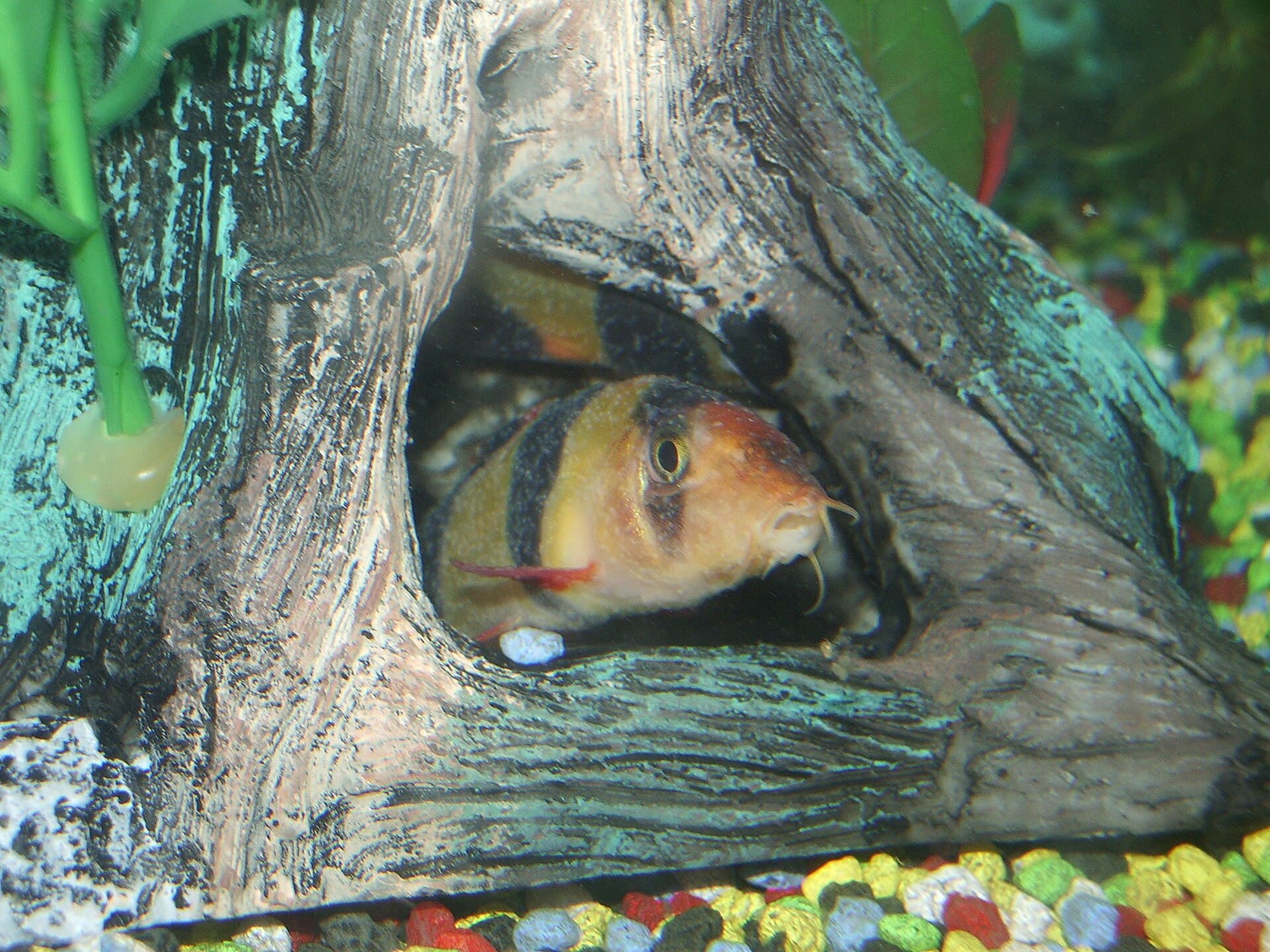

Almost every fishkeeper sooner or later encounters white spot, caused by the single-celled parasite Ichthyophthirius multifiliis (‘ich’). It is often introduced with new fish or breaks out after stress, such as a drop in temperature.
Symptoms
- White dots like grains of salt on skin, fins and gills.
- Flashing against rocks, plants or the substrate.
- Clamped fins, lethargy, eating less.
- Rapid breathing when the gills are affected.
The life cycle
To fight white spot, you need to know its life cycle:
- On the fish: the parasite lives under the skin and feeds. There it is protected from medication. These are the visible white spots.
- On the bottom: it drops off, forms a cyst and divides into hundreds or even thousands of new parasites.
- In the water: the young parasites swim freely and must find a fish quickly. Only in this stage are they vulnerable to most treatments.
The warmer the water, the faster this cycle runs: at higher temperatures it takes a few days, at low temperatures it can take weeks.
Treatment
- Treat the whole aquarium, not just the sick fish: the parasites are also in the water and on the substrate.
- Remove activated carbon from the filter and temporarily switch off any UV lamp, so the treatment works.
- Use a white spot treatment from the pet shop, following the instructions.
- Possibly raise the temperature slowly by a few degrees, if all your fish tolerate it. The cycle then runs faster and so does the treatment. Not for species that need cooler water.
- Provide extra aeration: warm water holds less oxygen.
- Continue until a few days after the last spot, otherwise the disease returns.
- Change water and vacuum the substrate between treatments, if the instructions allow.
Yawar deliberately gives no dosages: always follow the product’s instructions and, when in doubt, ask a vet experienced with fish. Remove activated carbon from the filter during treatment, and note that many treatments harm shrimp and snails.
Take care with shrimp, snails and sensitive fish
Many white spot treatments harm shrimp and snails, and some fish, such as many catfish and scaleless fish, only tolerate a lower dose. Read the instructions carefully, and move shrimp and snails temporarily if possible.
Prevention
- Quarantine new fish first.
- Don’t pour water from the shop bag into your aquarium.
- Keep the temperature stable and avoid draughts or a faulty heater.
- Provide good water, so your fish have resistance.