Setting up your first reef aquarium in 8 steps
A reef aquarium looks complicated, but with patience and the right order it is very doable. This step-by-step plan takes you from empty tank to first clownfish.
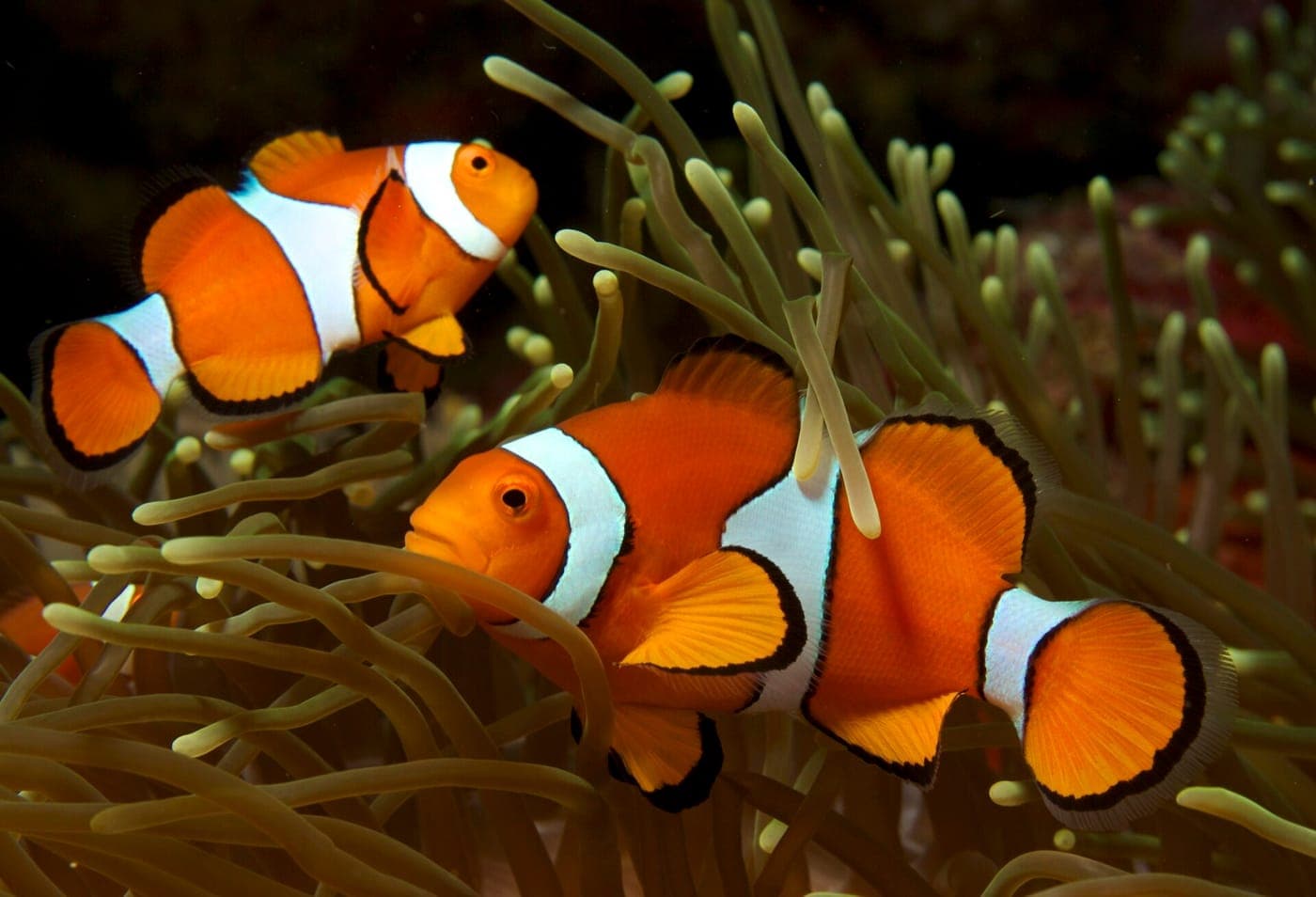

A marine aquarium with corals and reef fish is one of the most beautiful things you can have at home. The most important ingredient is patience: rushing is the main cause of failed starts.
1. Choose a tank that is not too small
A larger volume of water is more stable. For beginners, 100 to 300 litres is a good start.
2. Use reverse osmosis water
Tap water contains phosphate, nitrate and silicate that cause algae outbreaks. Make your water with a reverse osmosis unit.
3. Mix the salt to the right strength
Aim for a salinity of 35 ppt (a specific gravity of about 1.025–1.026). Measure with a refractometer; it is much more accurate than a floating hydrometer.
4. Rock and substrate
Build an open rockscape with room for water flow. Dry rock is free of pests, but needs a bacterial starter to get going.
5. Let the tank cycle
The nitrogen cycle (ammonia → nitrite → nitrate) usually takes 4 to 6 weeks. Test regularly and only add livestock once ammonia and nitrite are at zero.
6. Equipment
- Protein skimmer: removes waste before it breaks down
- Wavemakers: corals need water movement
- Heater: keep the temperature between 24 and 26 °C
- LED lighting: suitable for corals
7. The first inhabitants
Start with a clean-up crew of snails and hermit crabs. Hardy fish such as the clownfish come next. Preferably choose captive-bred specimens; they are used to aquarium life. An anemone is not required, by the way: clownfish do just fine without one.
8. Keep parameters stable
- KH: 7–9 dKH
- Calcium: 400–450 mg/l
- Magnesium: 1250–1350 mg/l
- Change about 10 percent of the water every week