Breeders of marine fish and corals in Europe
More and more marine fish and corals come from breeding instead of the reef. An overview of European breeders and coral farms, and why tank-bred is the best choice.
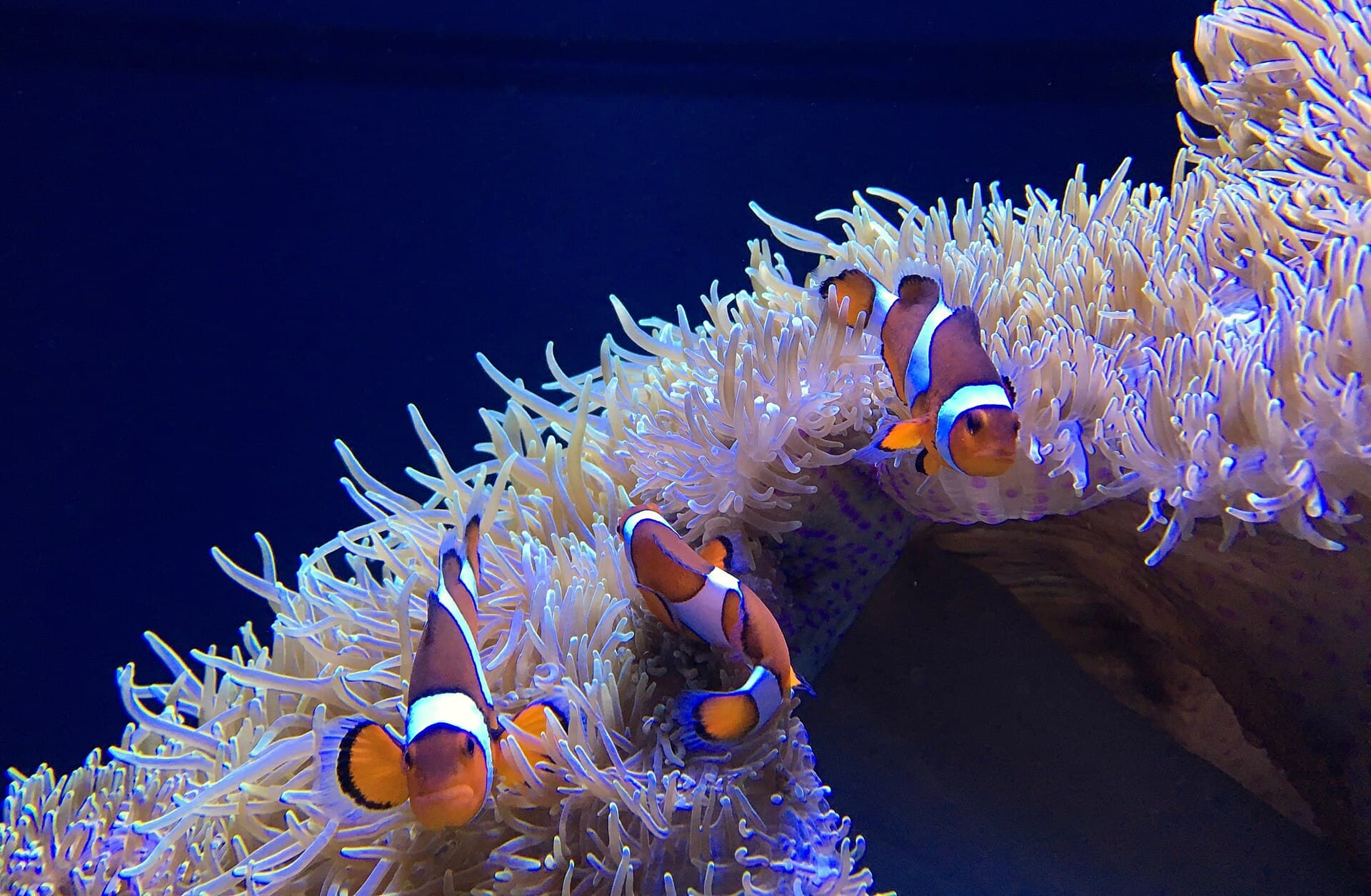

For a long time almost all marine fish and corals came from the wild. That is changing: many corals in the trade today are aquacultured, and more and more fish species are being bred, led by clownfish. Europe has breeders that play an important role in this too.
De Jong Marinelife (Spijk, the Netherlands)
The company started in 1958 as a hobby of Arie de Jong’s father, who bred freshwater fish. Arie de Jong added marine fish, and since 1989 it has been a wholesaler focused entirely on marine life. According to a company profile by Wageningen University & Research, it holds around 25,000 animals of about a thousand species in stock and is one of Europe’s largest suppliers of marine fish and corals. The company has a coral farm and a fish hatchery and also supplies zoos. According to CORAL Magazine, breeder Tom Verhoeven became the first, in 2023, to breed the rare Oman clownfish (Amphiprion omanensis). De Jong sells through the trade, not directly to hobbyists.
Korallenzucht.de (Ebersdorf bei Coburg, Germany)
Known for the ZEOvit system, a method for keeping water very low in nutrients for brightly coloured stony corals. The company grows hundreds of corals in its own aquariums and has a showroom and web shop.
KorallenFarm Joe & Co (Witten, Germany)
Has been farming corals since 1997 and moved to Witten in 2008. According to the company, its corals are 100% farm-bred, grown using green electricity.
Coral farming in zoos
- Burgers’ Zoo (Arnhem): grows corals from fragments behind the scenes and exchanges them with other zoos and aquariums. Some coral species also reproduce sexually there, which is rare in aquariums.
- ZOO Antwerp: has its own coral farm and no longer takes corals from the wild. Its 300,000-litre reef aquarium is among Europe’s largest with live coral.
This overview is not complete and contains no paid listings. Businesses change, so always check the current information on their own website.
Why choose tank-bred?
- Hardier: tank-bred fish and corals are used to aquarium water and aquarium food.
- Fewer diseases: they carry fewer parasites than wild-caught animals, although quarantine is still needed.
- Better for the reef: no animals are taken from the wild, and fewer animals are lost during collection and transport.
What to look for
- Ask whether a fish is tank-bred or wild-caught. Shops often label this as ‘captive bred’ (CB).
- For corals, ask about aquaculture: grown in aquariums or in the sea (mariculture).
- Buy from a shop with good quarantine that only sells fish once they are eating.
- Stony corals are covered by CITES: a reliable dealer can show their origin.