Keeping Malawi cichlids: the complete beginner’s guide
As colourful as a coral reef, but in fresh water. How to set up an aquarium in which Malawi cichlids stay healthy and the peace is kept.
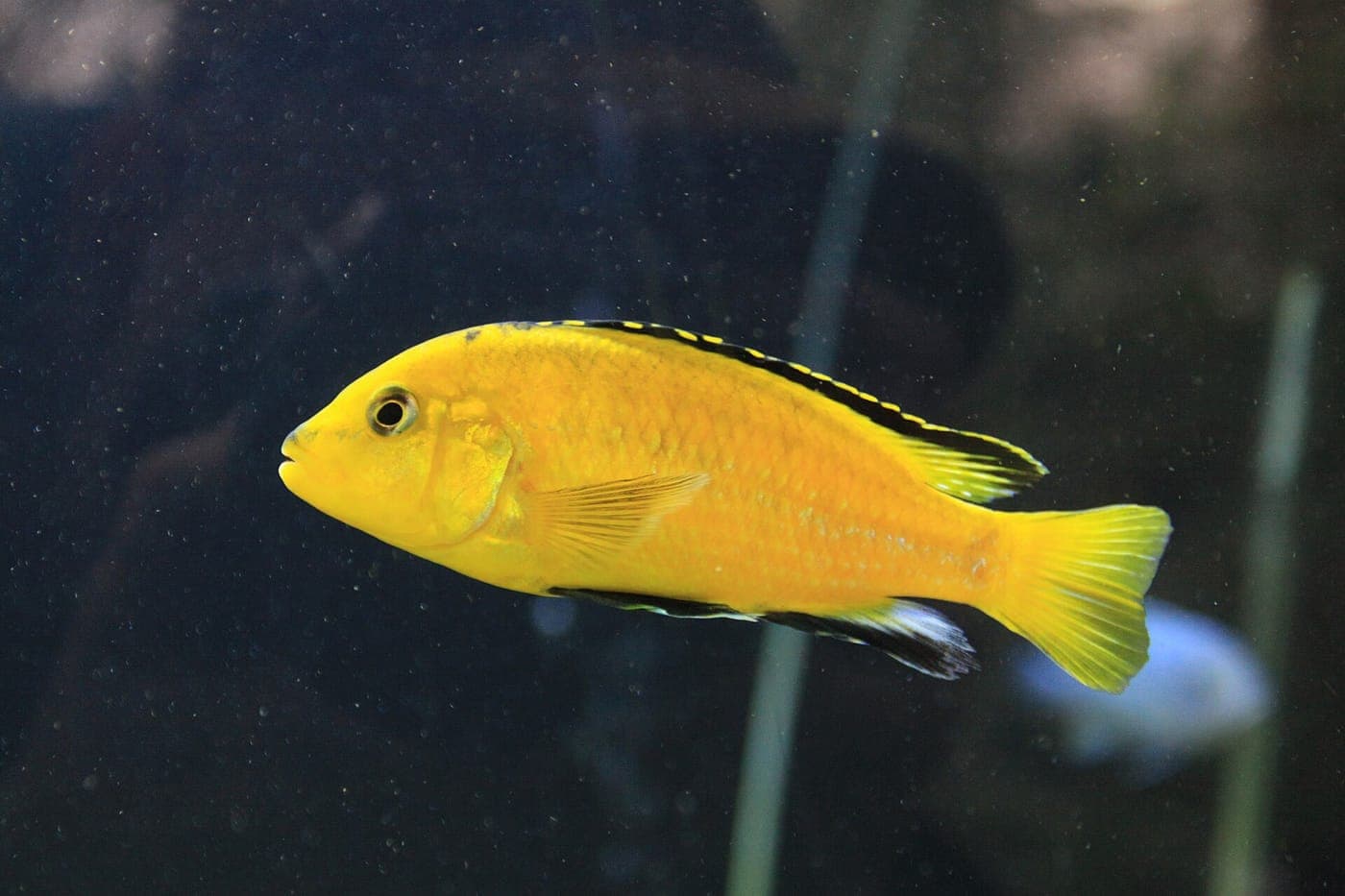

Lake Malawi in East Africa is home to hundreds of cichlid species found nowhere else on earth. Their vivid colours make them hugely popular, but they also have clear requirements for water, aquascaping and tankmates.
The right water
The water of Lake Malawi is hard and slightly alkaline. Try to match that in your aquarium:
- pH: 7.8 to 8.6
- Temperature: 24 to 27 °C
- Hardness: hard water; in many regions tap water is already suitable
- Water changes: 30 to 50 percent every week
Aquarium and aquascape
Most species need a tank of at least 120 cm long (around 240 litres). Build a rock wall with plenty of caves and hiding places, so every fish can claim its own territory. Plants are optional; many cichlids dig them up or eat them.
Mbuna or peacocks?
Mbuna are rock dwellers that graze algae from the stones. They are active and often territorial. Aulonocara (peacocks) and haps live above sandy bottoms and are calmer. It is best not to mix the two groups: peacocks get stressed in a tank full of busy mbuna.
Beginner-friendly species
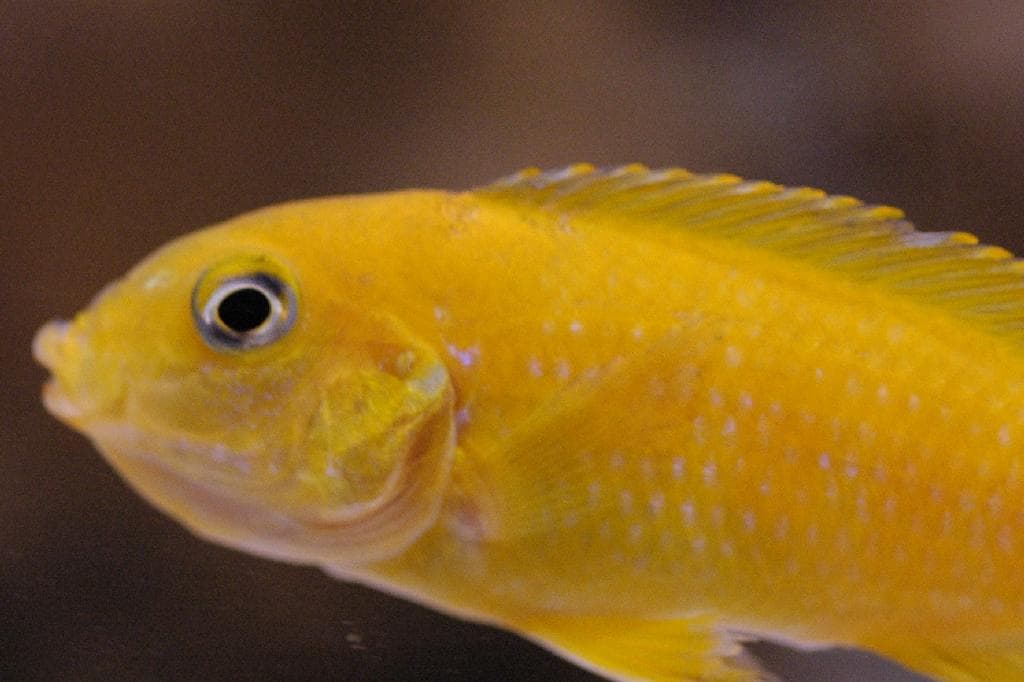
Labidochromis caeruleus ‘Yellow’
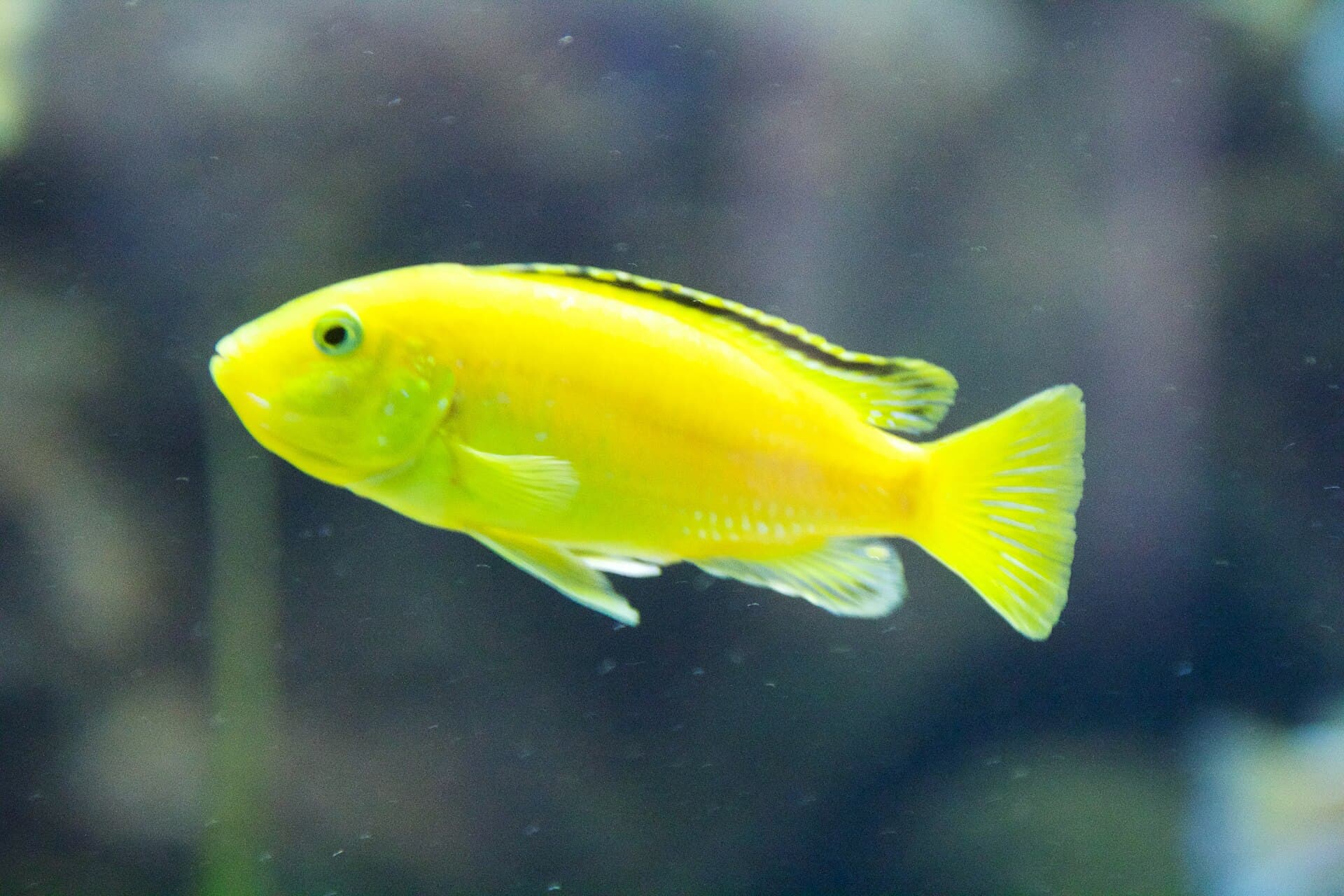

Bright yellow and relatively peaceful.
Pseudotropheus saulosi

Small, with blue males and yellow females.
Aulonocara species
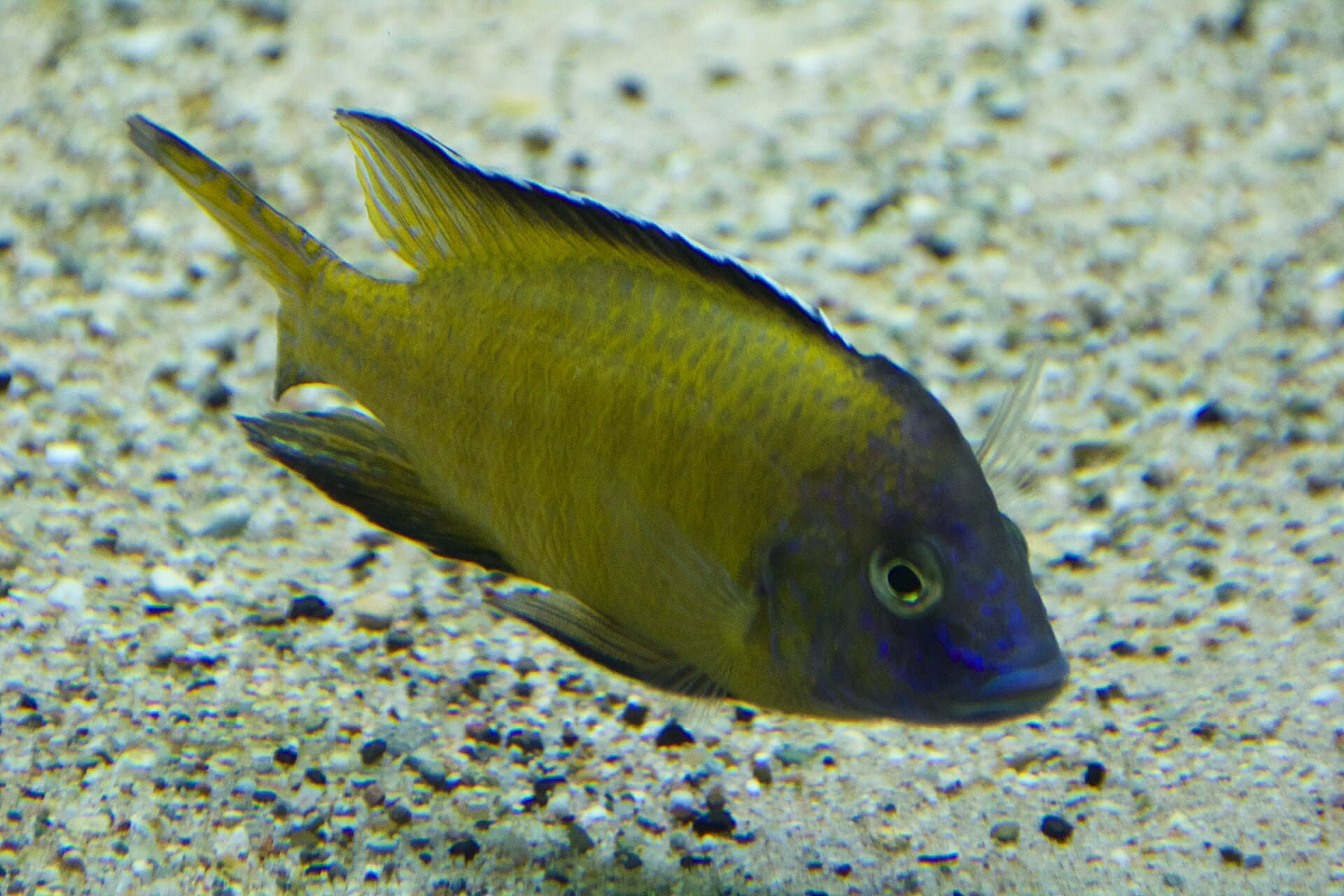

For a calm peacock tank.
Feeding
Mbuna are largely herbivorous. Feed a spirulina-based diet and avoid protein-rich foods such as bloodworm: they can cause the notorious Malawi bloat, an often fatal intestinal disease.
Limiting aggression
Keep three to four females per male and stock slightly heavier: that makes it harder for one fish to dominate the rest. Preferably add new fish all at once and move a few rocks at the same time, so territories are redistributed.