The most common diseases in Malawi cichlids and how to treat them
A swollen belly, white spots, wounds or a fish that stops eating: an overview of the most common problems in Malawi cichlids and how to tackle them.
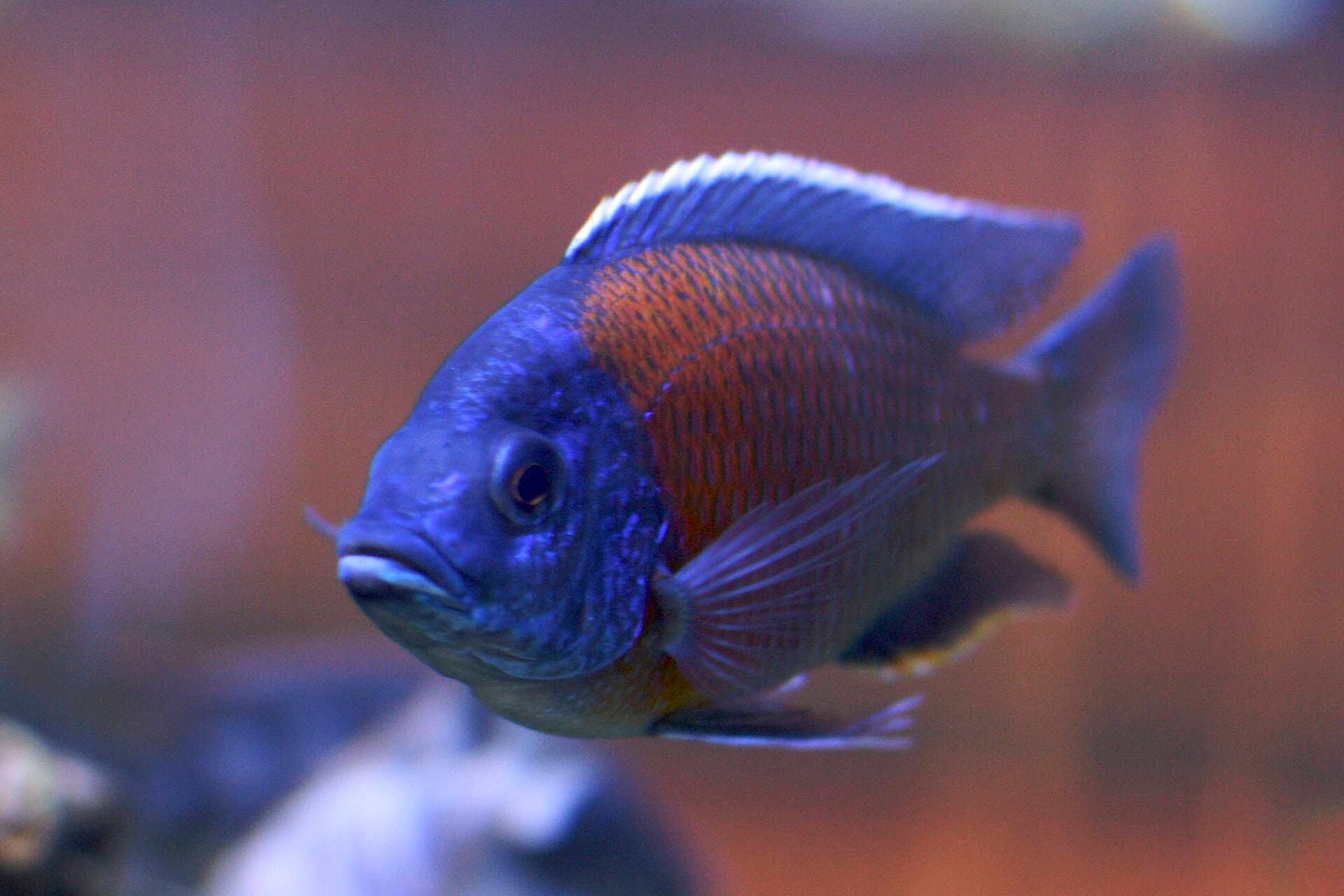

Malawi cichlids are hardy fish. If they do get sick, the cause is usually poor or fluctuating water, the wrong food or stress from aggression. So always tackle the cause first.
First aid
- Test the water: ammonia, nitrite, nitrate, pH and temperature.
- Change water with water of the same temperature and parameters.
- Isolate sick or bullied fish in a hospital tank.
- Observe: appetite, droppings, breathing, belly, skin and behaviour.
- Make a diagnosis before treating, possibly with the help of a vet.
Not eating isn’t always illness
Malawi cichlids are mouthbrooders: the female keeps the eggs and fry in her mouth for about three weeks and hardly eats during that time. A female with a bulging throat that isn’t eating is therefore probably not ill. Leave her alone or move her to a quiet tank.
Overview
Malawi bloat
Symptoms: a swollen belly, not eating, white stringy droppings, rapid breathing. One of the most dangerous Malawi diseases, often related to the wrong diet. Read all about it in our article on Malawi bloat and diet.
White spot (Ichthyophthirius)
Symptoms: small white dots like grains of salt on skin and fins, flashing. Often follows a temperature drop or the addition of new fish. Approach: an approved white spot treatment, following the instructions.
Bacterial infections and wounds
Symptoms: ragged fins, open wounds, white patches, cloudy eyes. Often the result of fights. Approach: isolate the fish, provide perfect water and tackle the cause of the aggression. For serious infections, treatment under a vet’s guidance is the best choice.
Hole-in-the-head (HITH)
Symptoms: small pits in the head. Linked to poor water quality, high nitrate, nutritional deficiencies and intestinal flagellates. Approach: improve the water, feed a varied diet and possibly treat against flagellates.
Gill and skin flukes
Symptoms: rapid breathing, breathing with one gill cover, flashing, clamped fins. More common in wild-caught fish. Approach: a treatment against flukes, usually with a repeat treatment.
Fish TB (Mycobacterium)
Symptoms: weight loss, a hollow belly, bulging eyes, sores that don’t heal, slow deaths of several fish. There is no reliable treatment. Note: the bacterium can also cause skin infections in people. Wear gloves if you have cuts on your hands.
Prevention
- Stable, clean, alkaline water and large weekly water changes.
- Food suited to the species: plant-based for mbuna, more protein for peacocks and haps.
- A well-composed group with enough hiding places.
- Quarantine for new fish.
- Test your water regularly and keep track of the results in the water log.
Yawar deliberately gives no dosages: always follow the product’s instructions and, when in doubt, ask a vet experienced with fish. Preferably treat in a separate tank and remove activated carbon from the filter during treatment.