Malawi cichlid breeders in Europe: where to buy good fish?
From the large farms in the Czech Republic and Germany to specialists in the Netherlands and Belgium: an overview of Malawi cichlid breeding in Europe and what to look for when buying.
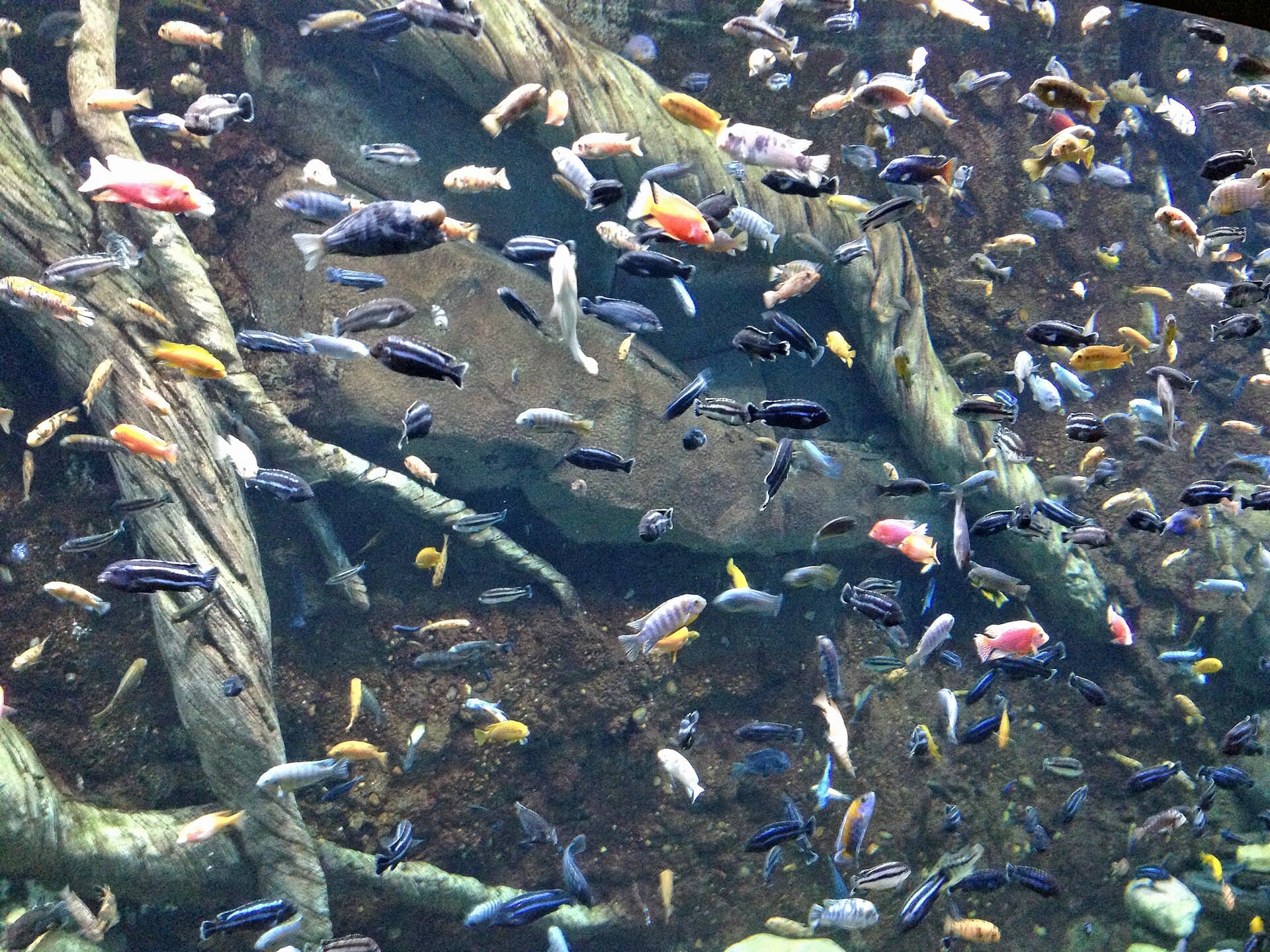

Most Malawi cichlids in the trade are tank-bred. Europe has a number of very large specialised farms, alongside many smaller breeders and hobbyists. If you are looking for pure, healthy fish, it pays to buy from a specialist.
Stuart Grant: the man behind many imports
The Scot Stuart M. Grant (1937–2007) exported cichlids from Malawi for decades and discovered many new species and variants. Aulonocara stuartgranti is named after him, and Maylandia estherae after his wife Esther. Since his death, the business has been continued by his family.
Large farms
- Eurofish (Týn nad Vltavou, Czech Republic): one of Europe’s largest breeders of East African cichlids, with by its own account around 5,000 aquariums and more than 450 species from Lakes Malawi, Tanganyika and Victoria. Breeds from wild-caught and F1 parents and mainly supplies the trade.
- Aquahaus Gaus (Wasenberg, Germany): a family business with a 3,500 m² breeding facility that sells directly to hobbyists.
- Aqua-Treff (Meerbusch, Germany): specialised in Malawi and Tanganyika cichlids since 1989, with more than 300 aquariums. Since 2003 the general importer for Germany, the Netherlands and Belgium of wild fish from Stuart Grant’s company.
- African Colours (Rotenburg, Germany): a farm with around 250 aquariums, specialised in Malawi cichlids.
The Netherlands and Belgium
- Aqua Ferrytale (Almere): has its own Malawi breeding facility and usually 70 to 100 species in stock.
- EV Cichlids (Leuven, Belgium): started as a hobby more than 30 years ago and mainly sells self-bred Malawi cichlids.
This overview is not complete and contains no paid listings. Businesses change, so always check the current information on their own website.
Associations
Through an association you get in touch with hobby breeders, who often breed pure locality forms. In the Netherlands that is the NVC (Dutch Association of Cichlid Enthusiasts, founded in 1975), in Germany the DCG (Deutsche Cichliden-Gesellschaft). Both organise meetings and fish fairs.
What to look for when buying
- Ask for species and locality, for example ‘Aulonocara stuartgranti Chipoka’. A good breeder knows this.
- Avoid unnamed ‘mixed’ groups, which often contain hybrids.
- Ask whether the fish are wild-caught, F1 or bred over several generations.
- Look at behaviour and condition: active, eating well, intact fins, no hollow belly.
- Be critical of very young peacocks that are already fully coloured: this may point to hormones.
- Quarantine new fish before adding them to your group.