Macroalgae and a refugium: the ‘plants’ of the reef aquarium
There are no true aquatic plants in a reef aquarium, but macroalgae do the same job: they absorb nitrate and phosphate. Which macroalgae are suitable and how do you set up a refugium?
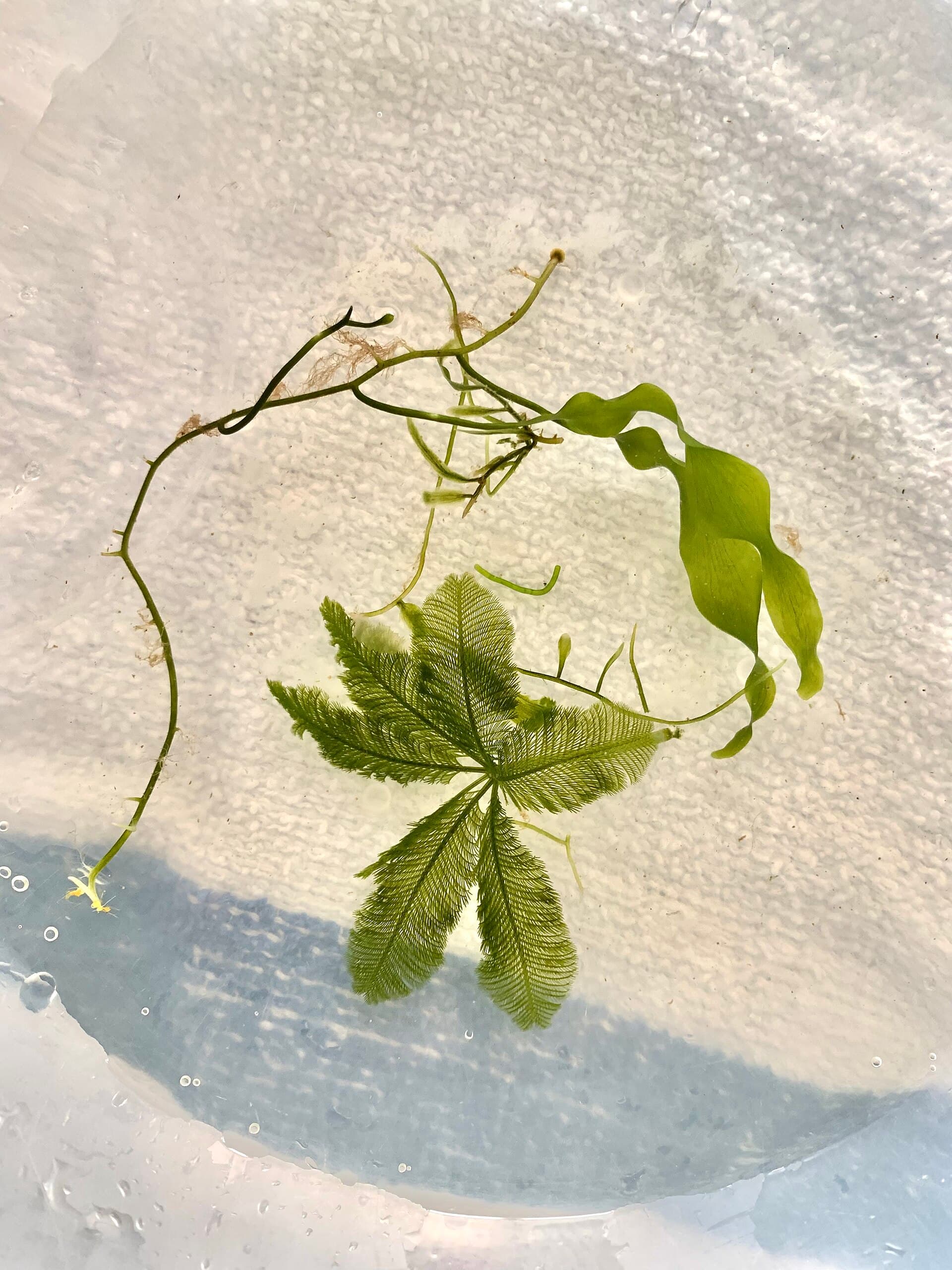

Aquatic plants like those in freshwater don’t grow in a reef aquarium. Their role is taken over by macroalgae: larger algae that, like plants, absorb nitrate and phosphate to grow. This way they compete with nuisance algae and help keep the water clean.
The refugium
A refugium is a lit compartment in the sump, without fish, in which macroalgae grow. It has three benefits:
- Nutrient uptake: the algae remove nitrate and phosphate from the water. By regularly harvesting part of them, you remove those substances for good.
- A refuge for small creatures: copepods and amphipods multiply undisturbed and wash into the aquarium, as natural food for fish such as the mandarinfish.
- A more stable pH: if you light the refugium at night while the aquarium is dark, the pH fluctuates less between day and night.
The best macroalgae
Chaetomorpha
The most popular choice: a tangle of green threads, also called ‘spaghetti algae’. Grows fast, doesn’t attach and is easy to harvest. A gentle flow that slowly tumbles the ball ensures even growth.
Caulerpa
Grows very fast and comes in many forms, such as grape- or fern-shaped. Drawback: Caulerpa can suddenly ‘go sexual’, releasing its cell contents into the water and dying off. So keep it well under control. Caulerpa taxifolia has become an invasive species in the Mediterranean: never release algae or aquarium water into nature.
Red macroalgae
Gracilaria (also called ‘ogo’) is a red macroalga that tangs love to eat. You can grow it in a refugium and feed it fresh.
Halimeda
A calcareous alga with disc-shaped segments, attractive in the display itself. It does consume calcium and KH, just like stony corals.
Nuisance algae
Macroalgae are different from nuisance algae such as hair algae, cyanobacteria (red ‘slime algae’) or dinoflagellates. These mainly grow with a nutrient imbalance, too little flow or too much light. A refugium helps prevent that imbalance.
Tips
- Light the refugium with a simple LED plant light.
- Harvest regularly: macroalgae that die off release their nutrients again.
- Keep the flow in the refugium gentle, so copepods can thrive.
- No sump? A small hang-on refugium on the back of the aquarium works too.