Discus breeders in Europe: where do good discus come from?
From pioneer Eduard Schmidt-Focke to today’s breeders: an overview of discus breeding in Europe and what to look for when choosing a breeder.
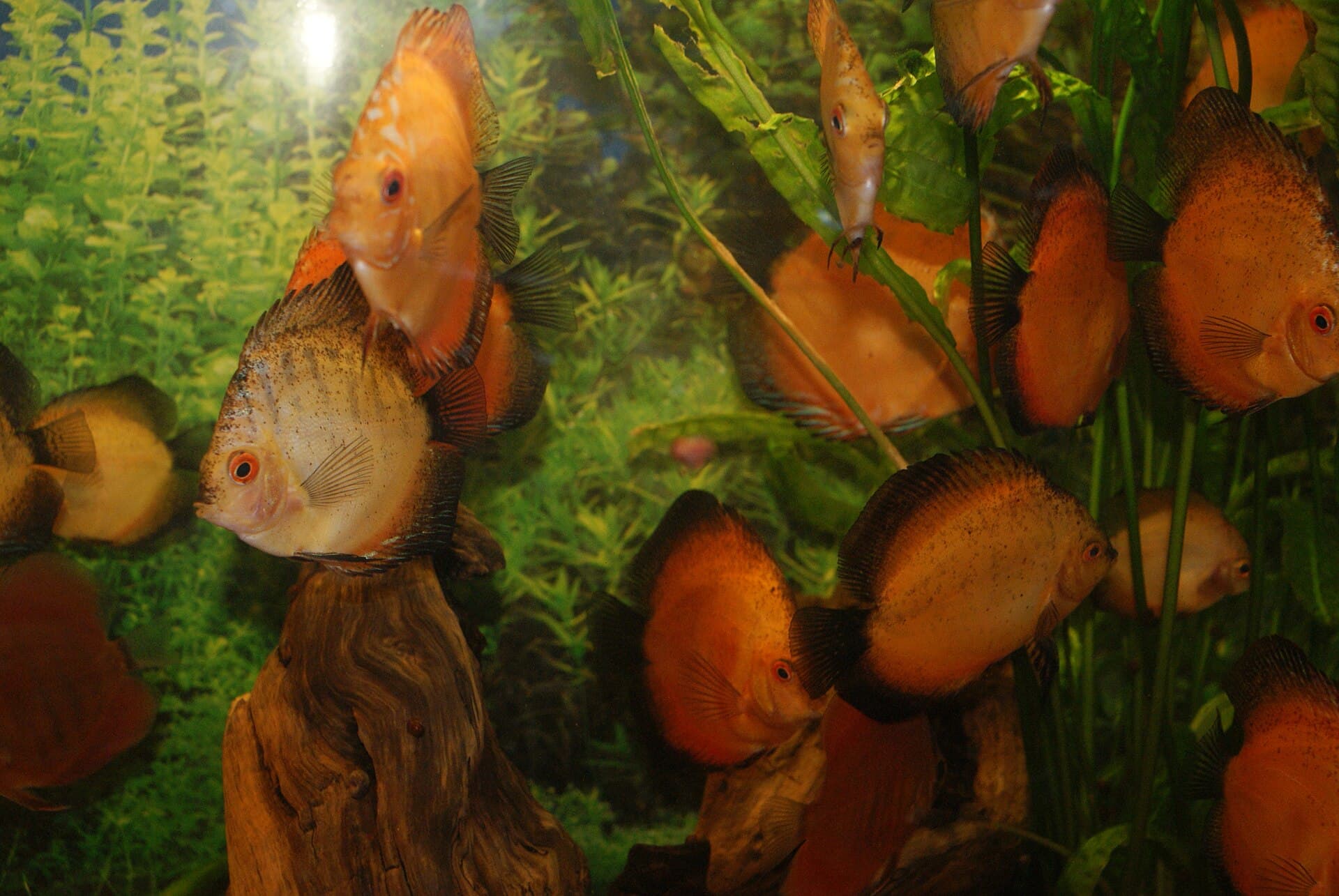

Most discus in the trade today come from large farms in Asia. Europe, however, has a long breeding tradition, and European breeders are known for hardy, well-raised fish.
The pioneers
The first discus arrived in Europe in the 1950s. The German Eduard Schmidt-Focke was one of the first to breed them successfully; many of his techniques are still used today, and his ‘Striated Red’ line is a classic. In the 1980s, discus breeding in Europe grew into a real hobby with countless new colour varieties.
Stendker: the end of an era
Diskuszucht Stendker was founded in 1965 by Heinz and Helga Stendker and, together with their sons Jörg and Volker, grew into what was for a long time Europe’s largest discus farm. In summer 2022 the company itself announced the end of the breeding operation. Stendker lines can still be found at dealers.
Some well-known breeders today
- Diskuszucht Krause (Germany): breeder Maik Krause, with a large number of colour varieties and several successes at international discus championships.
- Diskuszucht Piwowarski (Kreuztal, Germany): one of the larger German discus farms.
- Discus Texel (Oudeschild, Texel, the Netherlands): Raoul Helleman breeds on Texel and works with German breeder Marcus Stöcker.
- Luc Brosens (Geel, Belgium): one of the best-known European discus importers and breeders.
This overview is not complete and contains no paid listings. Breeders change, so always check the current information on their own website.
The discus championship
One of the largest and best-known discus championships in the world is held in Germany every year. Breeders from Europe and Asia have their best fish judged on shape, colour and condition. For enthusiasts, it is a great opportunity to see many varieties side by side.
How to choose a good breeder
- See the fish yourself, ideally at the breeder: round bodies, small eyes, eager feeding.
- Ask about quarantine and deworming: a good breeder explains how they prevent parasites.
- Ask about age, size and water parameters, so you can offer the same conditions at home.
- Look for aftercare: a breeder who gives advice after the sale is worth their weight in gold.
- Buy a group from one source and don’t mix fish of different origin without quarantine.
European-bred discus are often more expensive than imports from Asia, but the shorter transport and adaptation to European water often make the difference more than worth it.