The most common diseases in aquarium fish and how to treat them
White spot, fungus, fin rot, dropsy or worms: an overview of the most common diseases in community fish, how to recognise them and what to do about them.
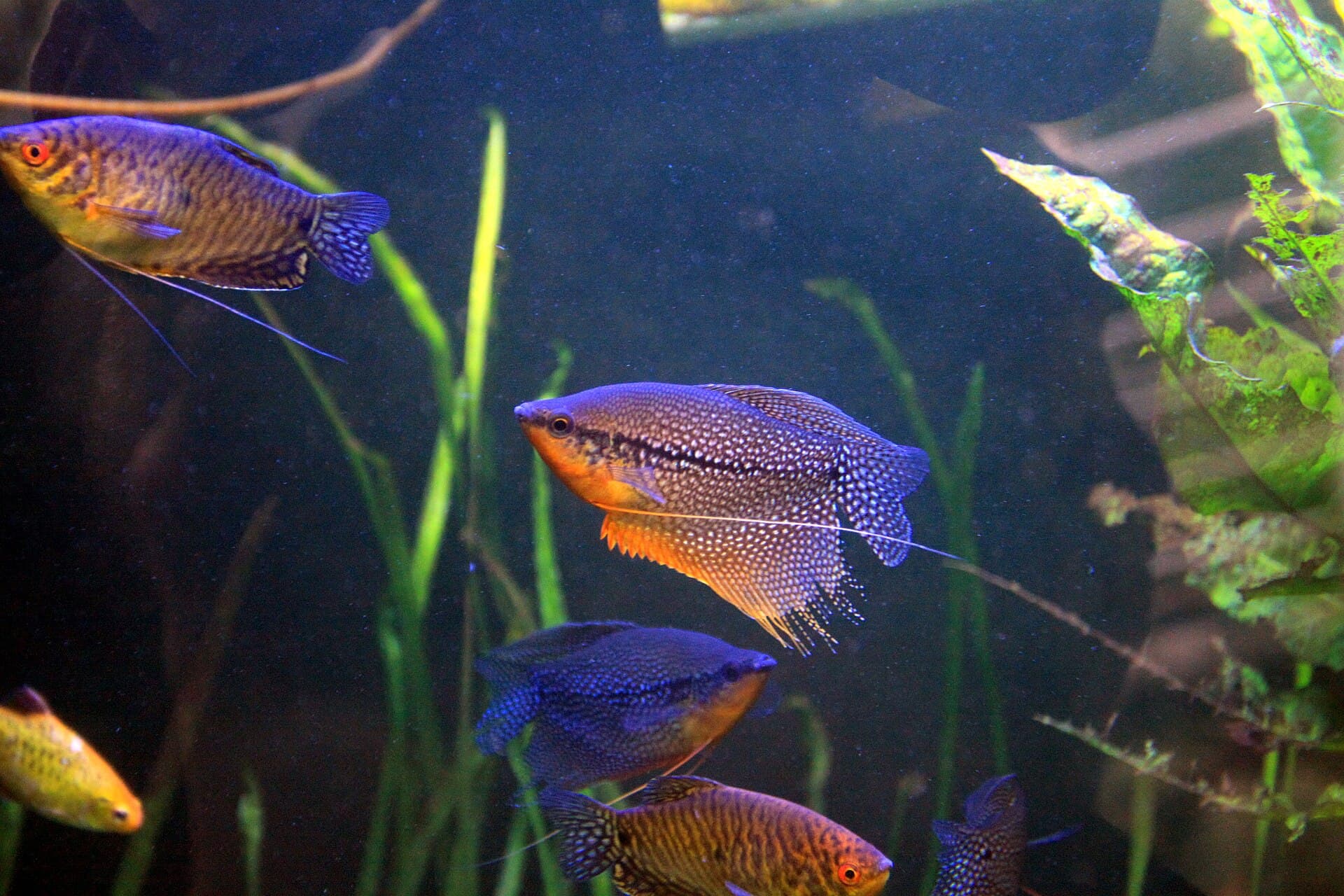

Most diseases in aquarium fish share one common cause: stress, from poor water, a bad combination of species or transport. Pathogens are almost always present; a healthy fish in good water usually resists them.
First aid
- Test the water: ammonia, nitrite, nitrate, pH and temperature.
- Change water if the values aren’t right.
- Observe: which fish, which symptoms, since when?
- Isolate sick fish in a quarantine tank, if possible.
- Make a diagnosis before treating. A random treatment can do more harm than good.
Overview
White spot (Ichthyophthirius)
White dots like grains of salt on skin and fins, flashing. The most common parasite in freshwater. Read all about it in our article on white spot.
Velvet (Oodinium)
A fine gold or grey coating, often best seen with a torch. Fish breathe rapidly and clamp their fins. Treat quickly with a treatment against Oodinium and dim the lights.
Fungus (Saprolegnia)
White, cotton-wool-like tufts, often on wounds or dead eggs. Fungus is usually the result of other damage. Improve the water and treat with an antifungal treatment.
Fin rot and columnaris
Ragged, rotting fins, or white patches on the mouth and back that look like fungus but are caused by bacteria. See our article on bacterial infections.
Dropsy
A swollen body with protruding scales, like a pine cone. Dropsy isn’t a disease in itself, but a sign of serious organ damage. The outlook is usually poor; isolate the fish.
Neon tetra disease (Pleistophora)
Pale, white patches in the muscles of neon tetras and related species, a bent spine and isolating behaviour. There is no treatment. Remove sick fish immediately to prevent infection.
Camallanus worms
Small red worms protruding from the vent, especially in livebearers. Treat with a dewormer, preferably for the whole aquarium.
Iridovirus in dwarf gouramis
Mass-bred dwarf gouramis sometimes carry an iridovirus: fish become lethargic, discolour and develop sores. There is no treatment. Preferably buy dwarf gouramis from a reliable breeder.
Prevention
- Let the aquarium cycle properly before adding fish.
- Change water every week and test regularly.
- Quarantine new fish for a few weeks first.
- Combine fish that suit each other, and feed a varied diet, but not too much.
Yawar deliberately gives no dosages: always follow the product’s instructions and, when in doubt, ask a vet experienced with fish. Remove activated carbon from the filter during treatment, and note that many treatments harm shrimp and snails.