The 10 best fish for a community aquarium
Peaceful, colourful and easy to care for: with these ten species you can put together a lively community aquarium.
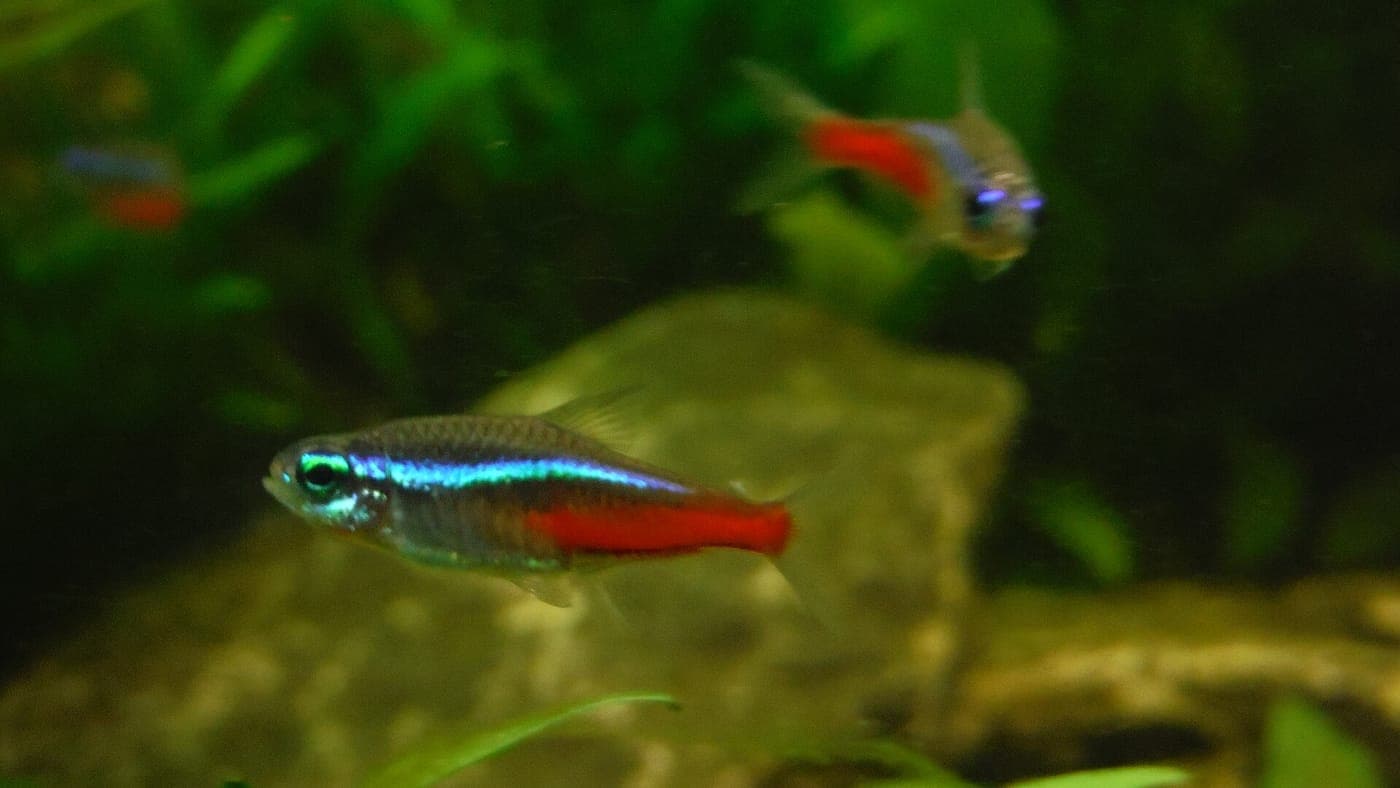

A community aquarium is all about species that get along. Make sure your aquarium has cycled first and add fish in small groups, not all at once.
Our top 10
Neon tetra
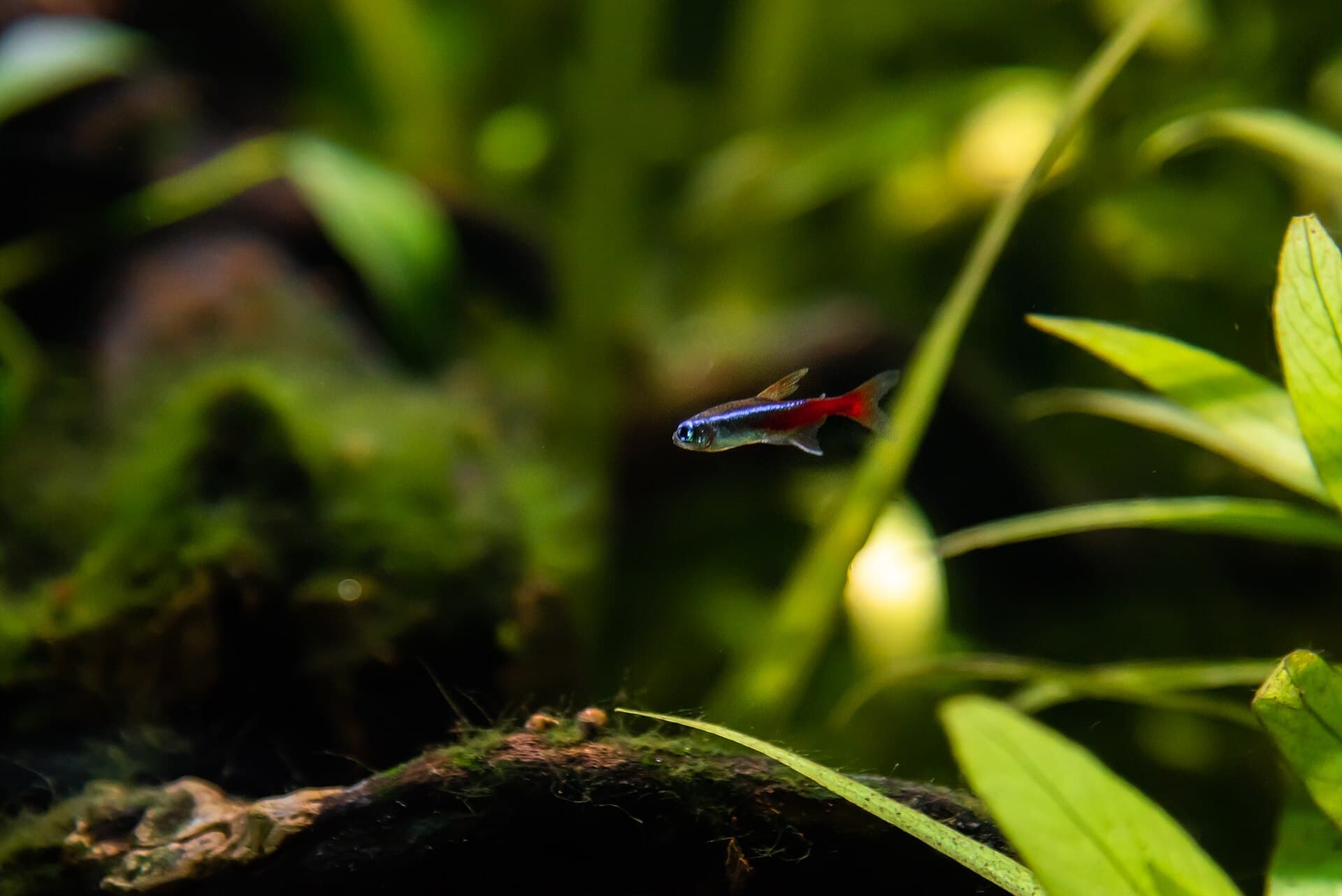

The classic; keep them in schools of at least ten.
Harlequin rasbora
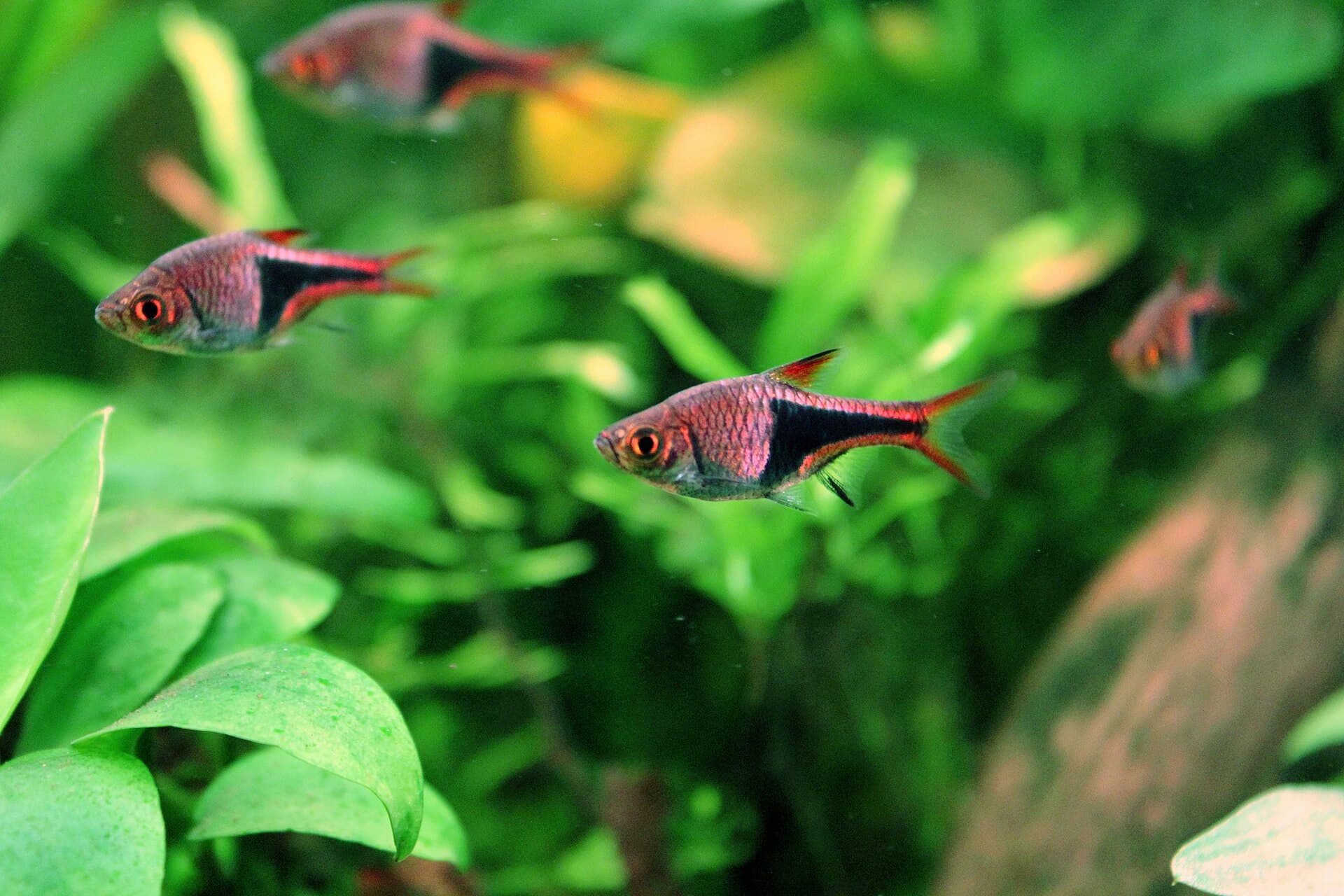

Calm and beautiful in a group.
Zebra danio (Danio rerio)
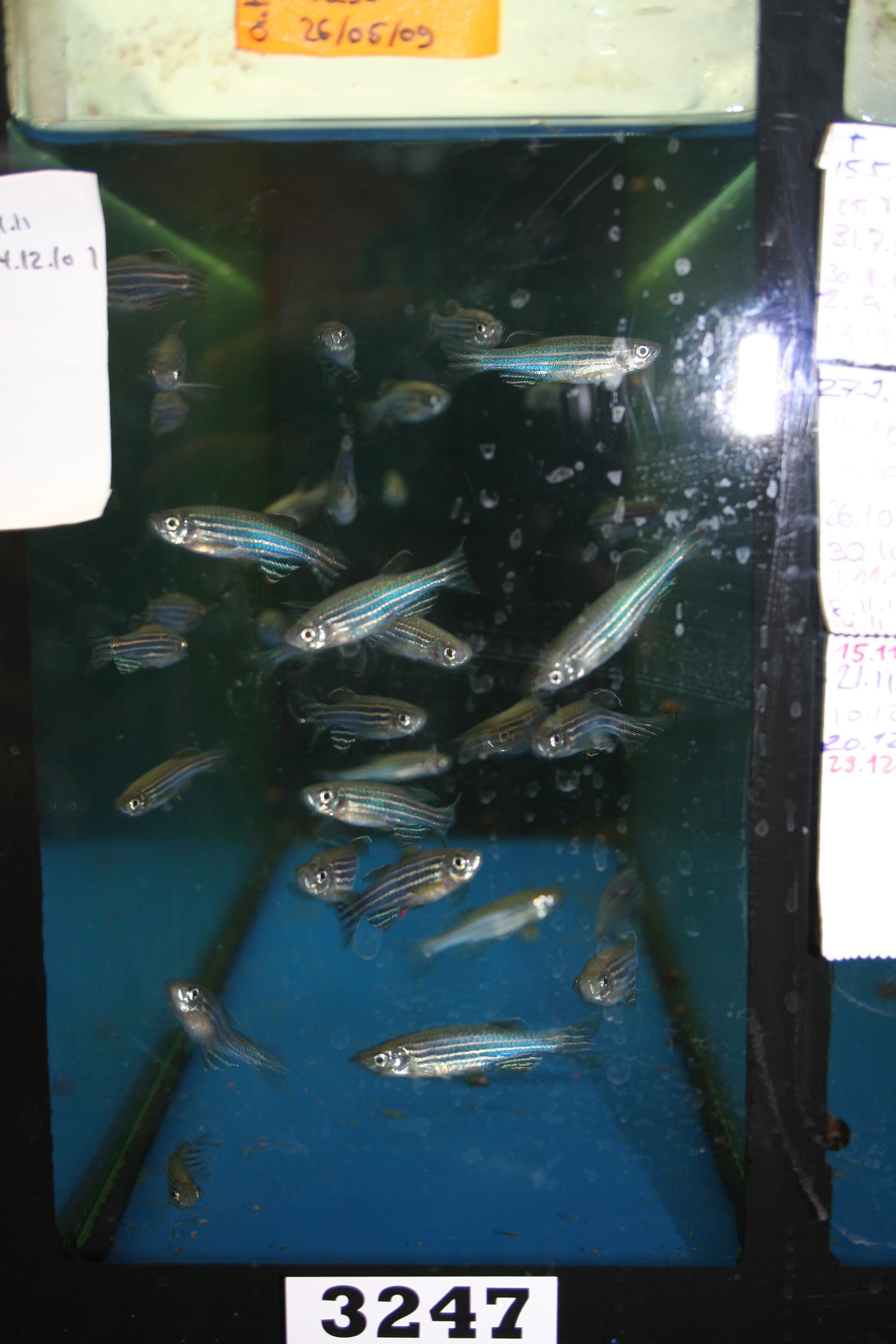

Active and hardy, ideal for beginners.
Corydoras
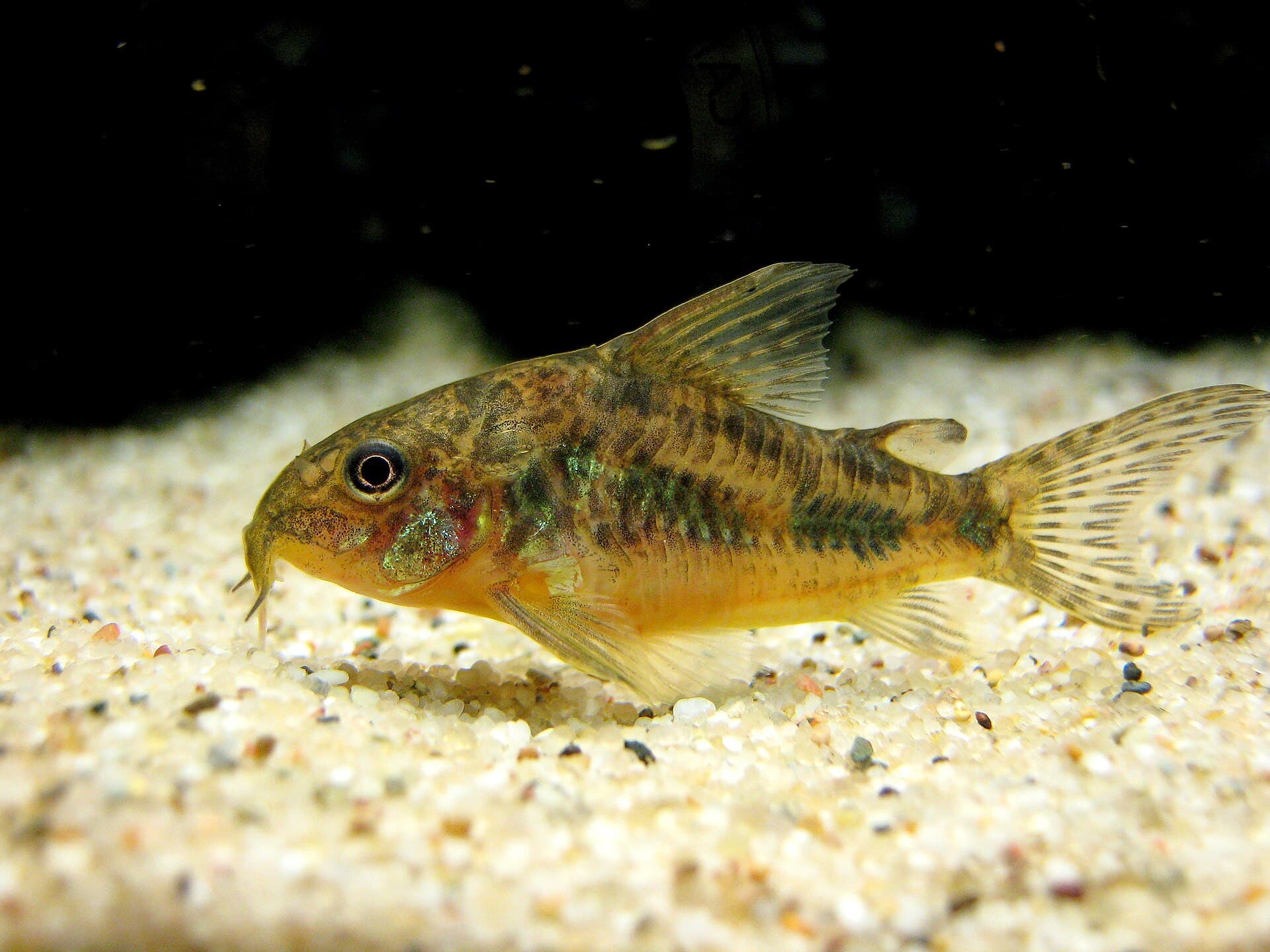

Bottom dwellers; keep six or more over sand.
Platy
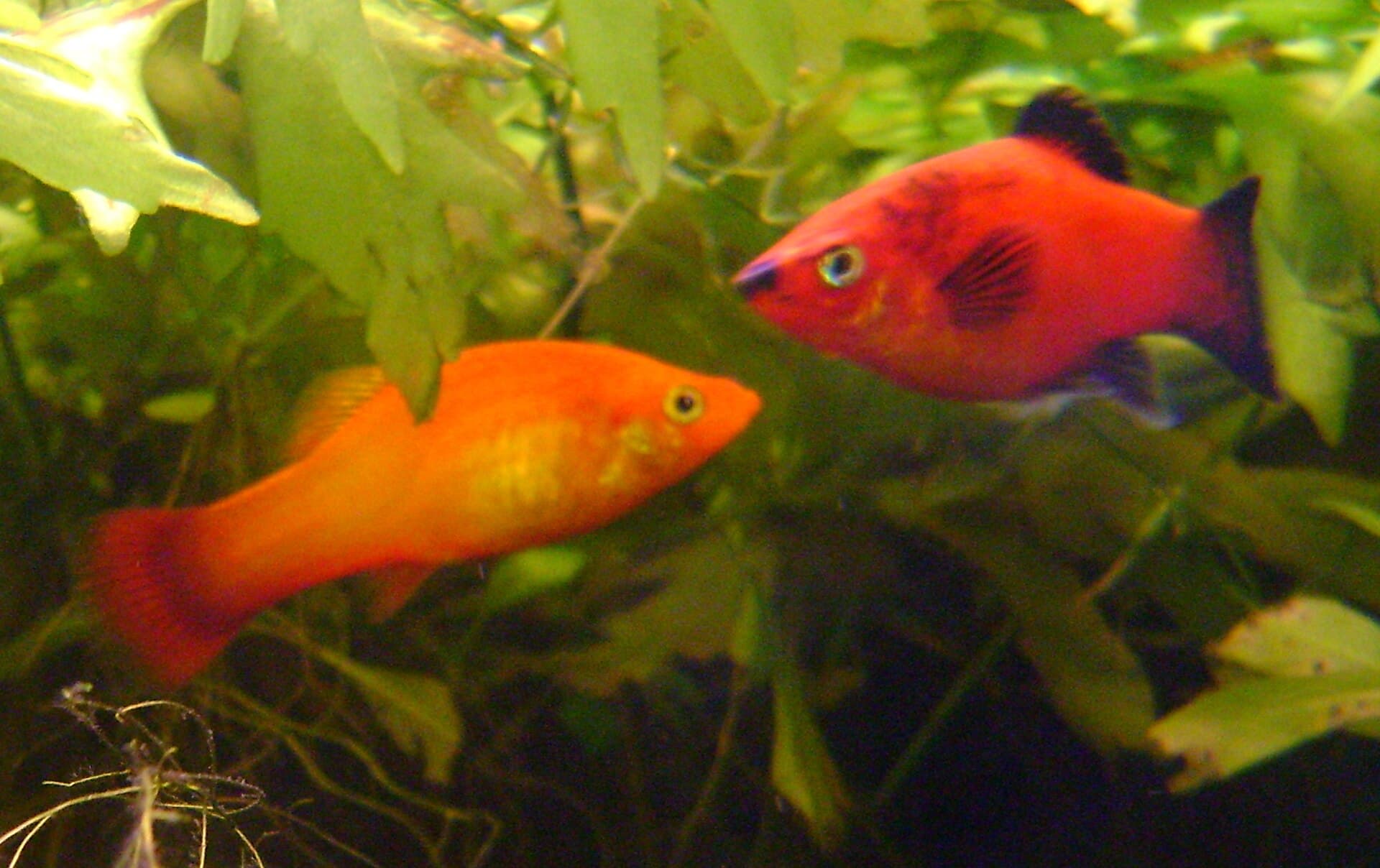

Cheerful and easy, available in many colours.
Guppy
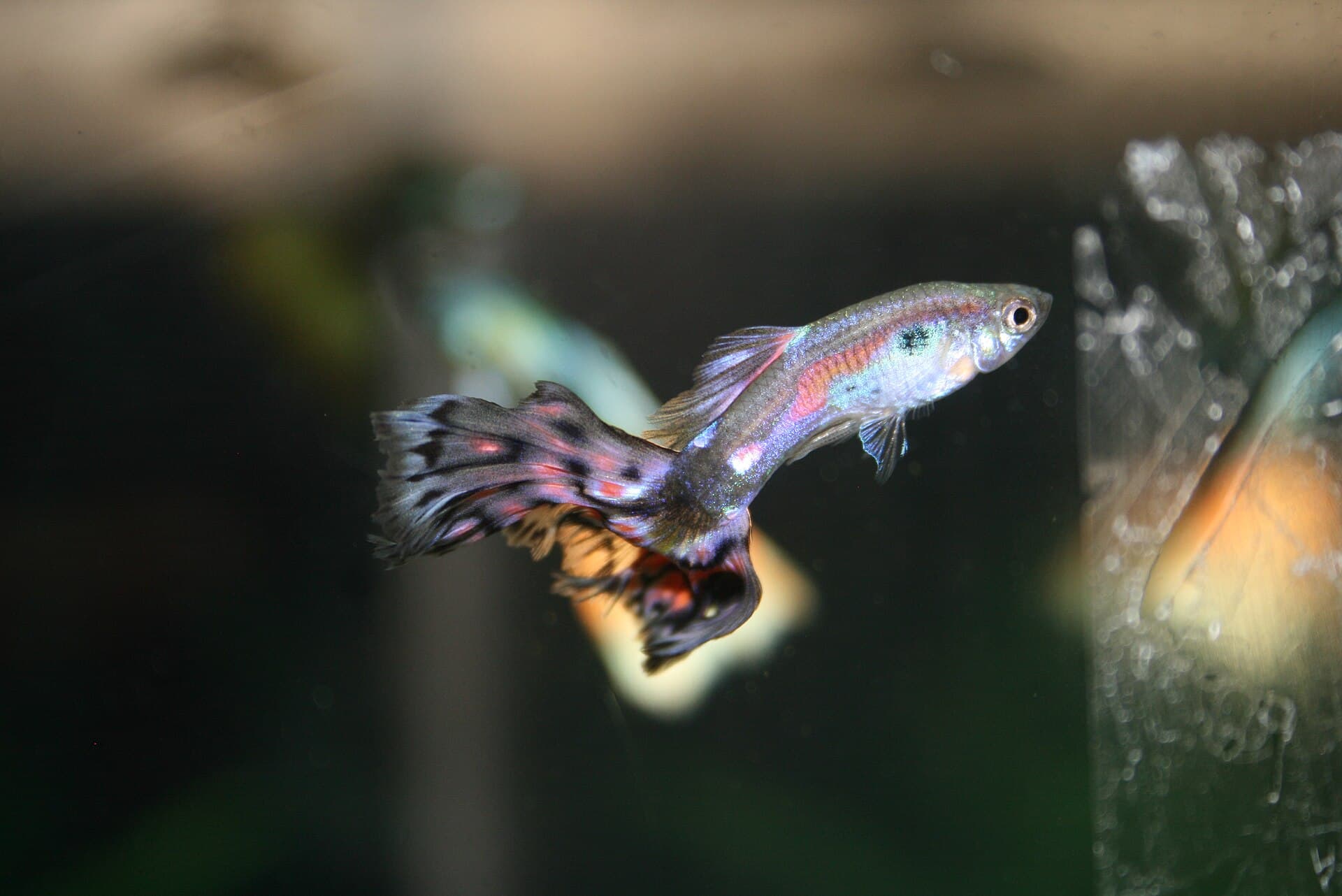

Colourful livebearer; note that they multiply quickly.
Honey gourami
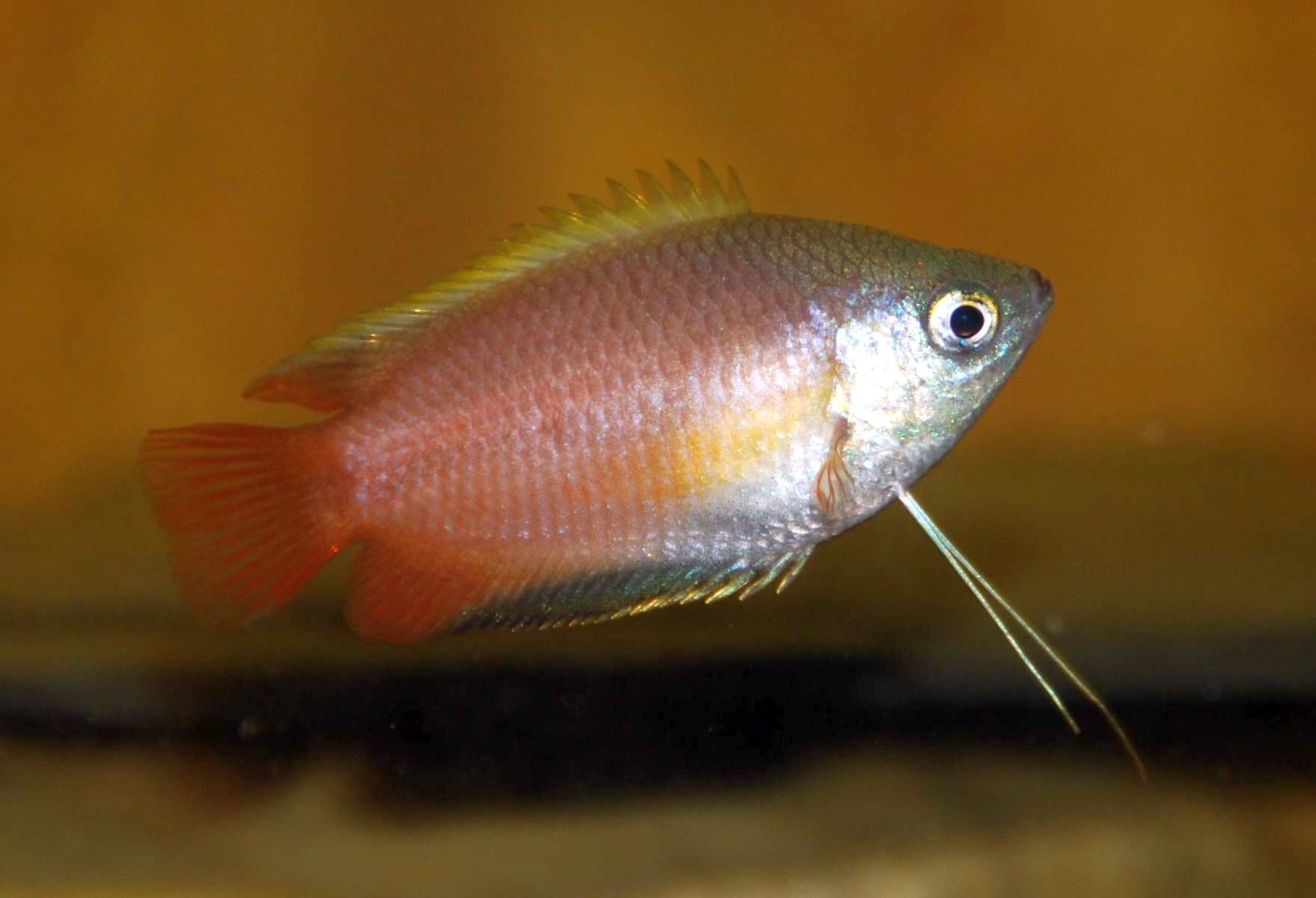

A calm, small gourami.
Bristlenose pleco (Ancistrus)
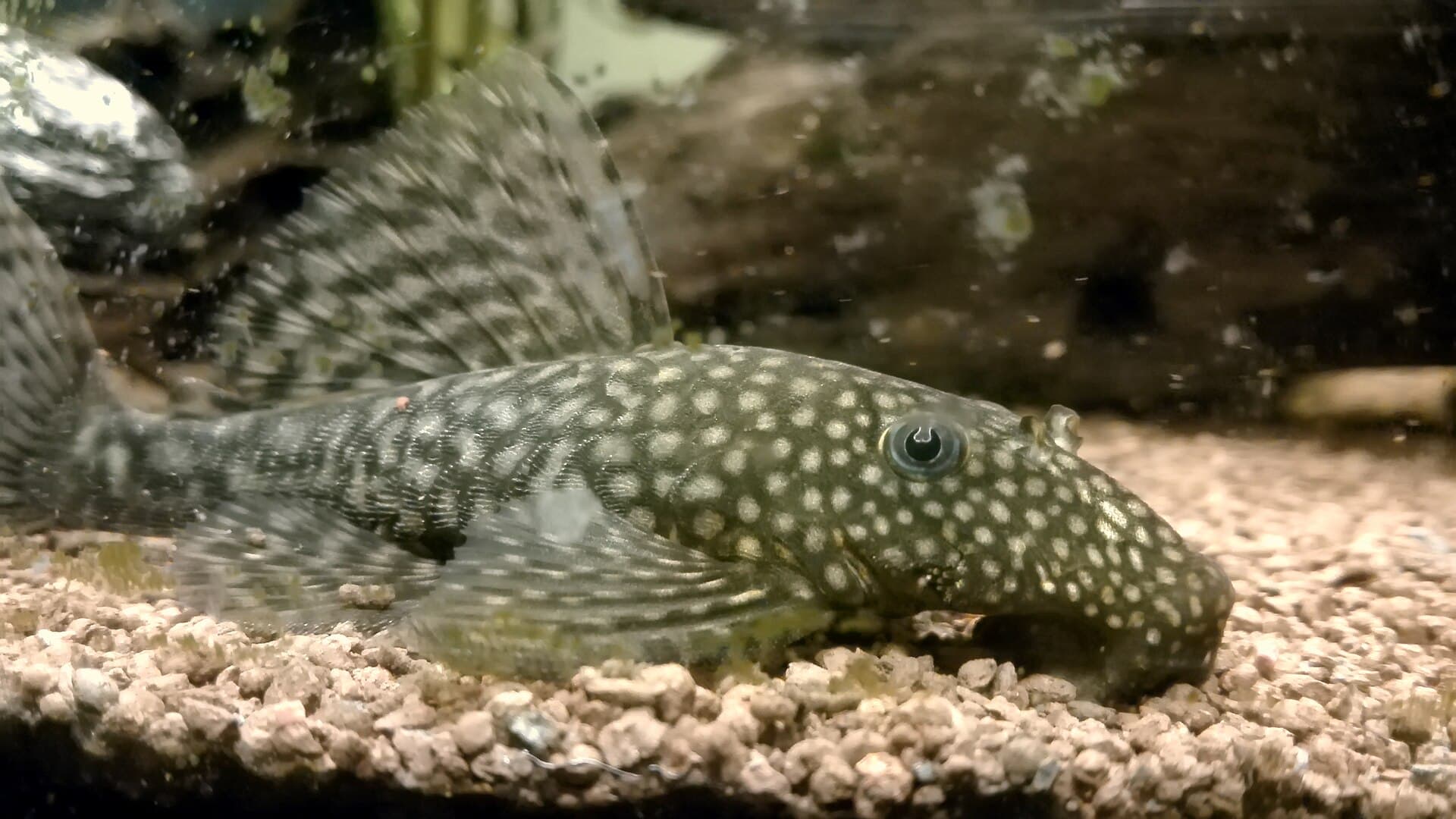

Eats algae and stays relatively small.
Otocinclus
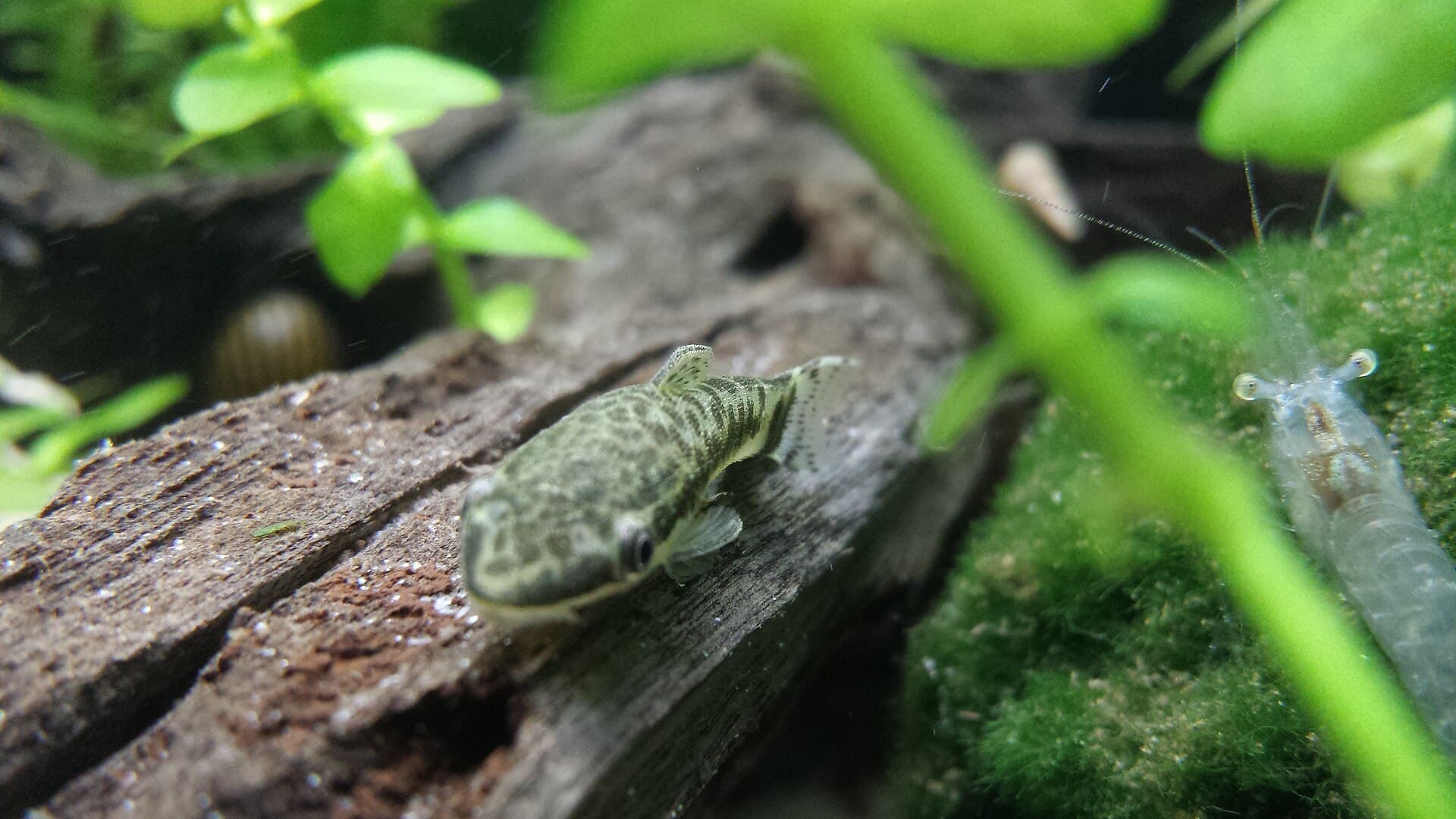

Small algae eater for a well-established tank.
Amano shrimp
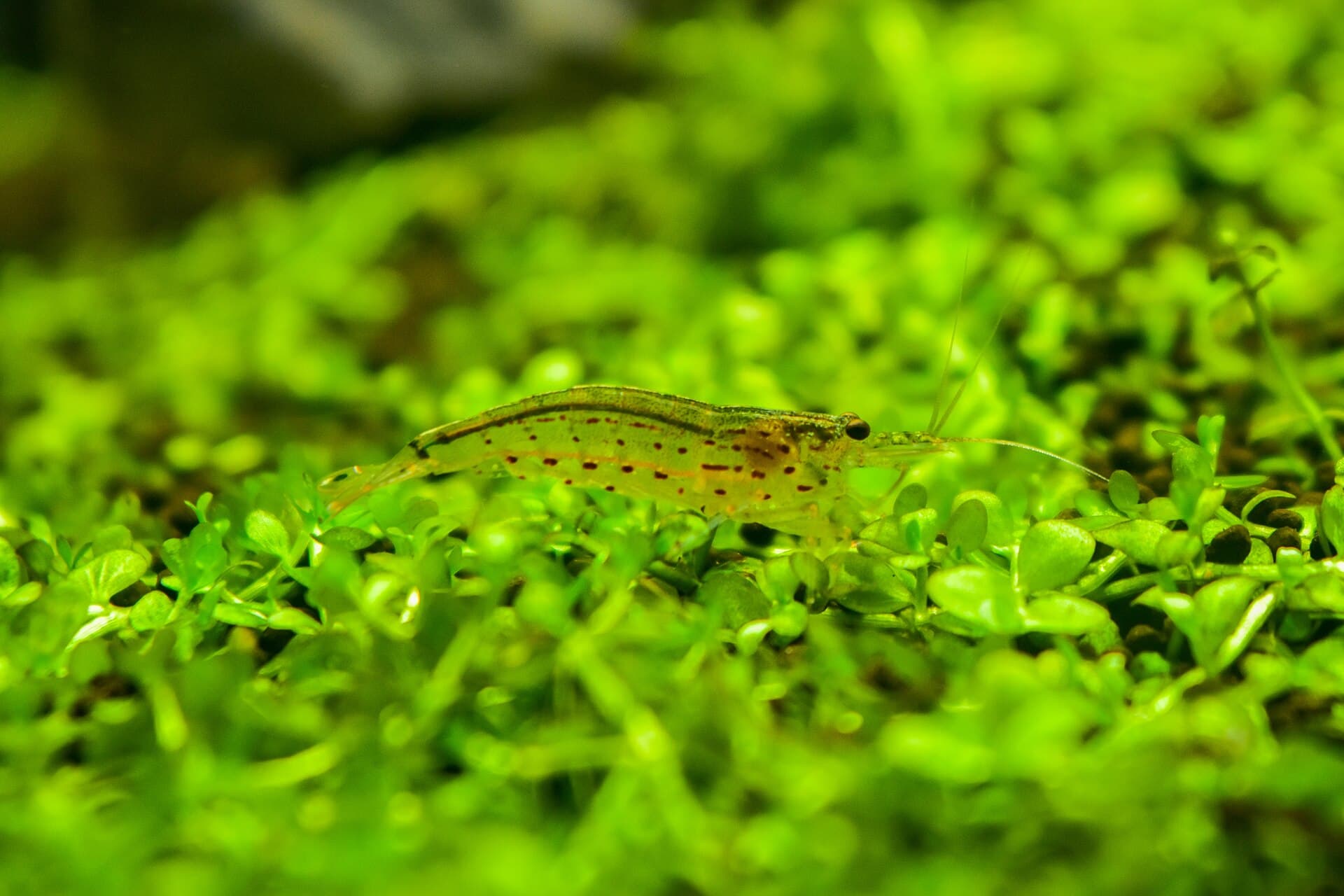

Not a fish, but an excellent algae eater.
Tips for a successful combination
- Choose an aquarium of at least 60 litres
- Combine species with similar temperature and pH requirements
- Keep schooling fish in groups; alone or in pairs they become shy