Aquarium fish breeders in Europe: where do your fish come from?
Most community fish come from Asia, but Europe has a surprisingly large breeding tradition, led by the Czech Republic. An overview of where your fish come from and why local breeding pays off.
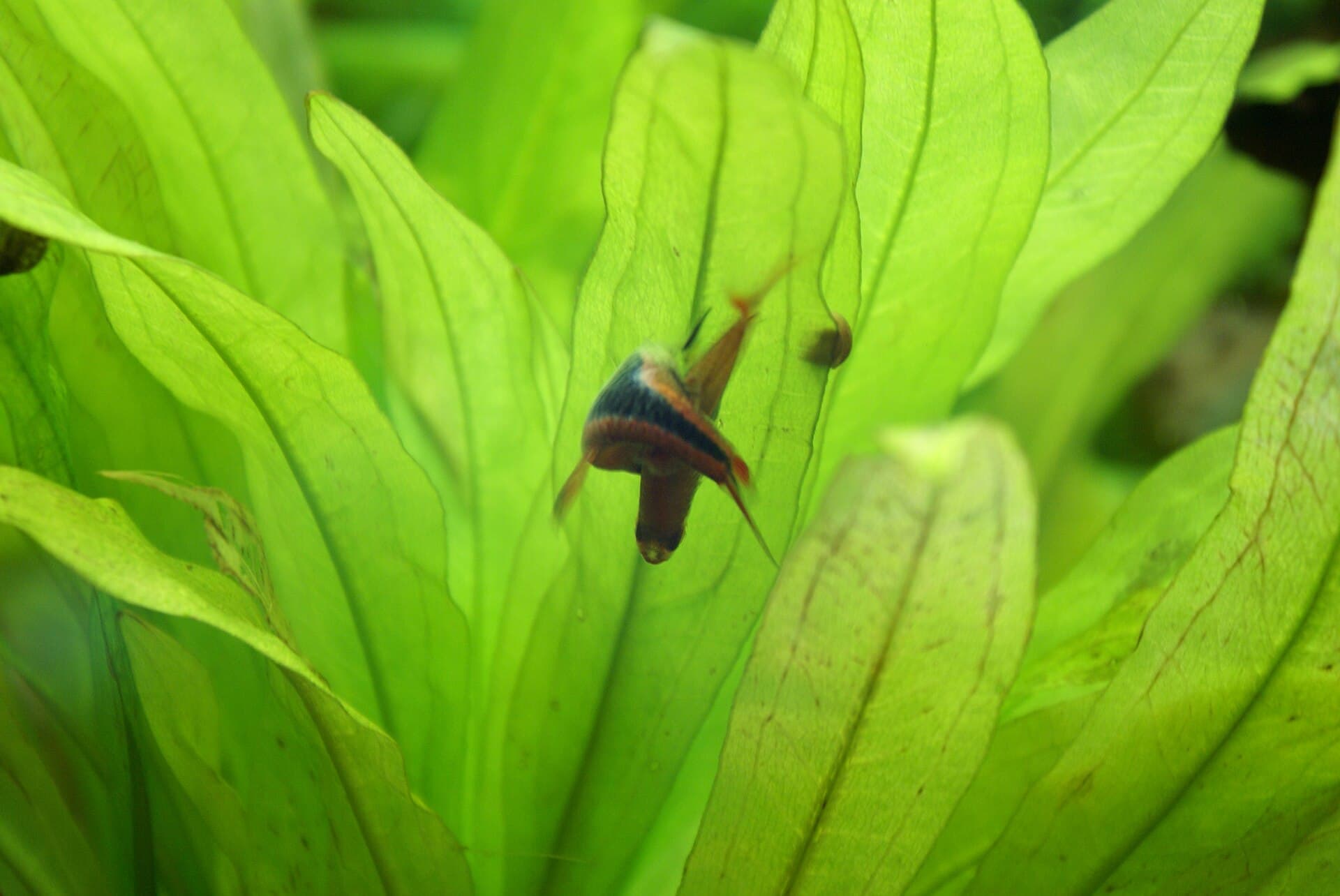

Most community fish in shops come from large farms in Southeast Asia. A smaller share is wild-caught, mainly from South America. But aquarium fish are also bred on a large scale in Europe.
The Czech Republic: Europe’s largest ornamental fish breeder
The Czech Republic is an exceptional case: it is the largest producer of tropical ornamental fish in Europe, accounting for about a third of European exports, and one of the largest exporters in the world. More than 600 species are bred. That is unique for a country outside the tropics: the fish are bred entirely indoors, in aquariums and closed systems.
The sector builds on a long hobby tradition. Since the 1960s, hundreds of small breeders have been breeding tropical fish, often at home or in small businesses, which reach all of Europe through wholesalers. Many tetras, barbs and cichlids in our shops therefore have Czech origins.
The Netherlands and Belgium
In the Benelux there are mainly specialised small farms and hobby breeders:
- Love 4 Shrimps (the Netherlands): started as a hobby in 2001 and today breeds Neocaridina and Caridina shrimp, crayfish, snails and fish.
- DL Kwekerij (Belgium): breeds various aquarium fish and shrimp, with a particular interest in L-number catfish.
This overview is not complete and contains no paid listings. Breeders change, so always check the current information on their own website.
Clubs and fish fairs
Through an aquarium club you get in touch with hobby breeders, who often breed special species or pure lines. There are also specialised clubs, for example for guppies. At fish fairs you can buy directly from breeders and ask how they keep their fish.
Sustainable wild collection
Not all wild collection is bad. A well-known example is Project Piaba in the Rio Negro region of Brazil, where catching fish such as cardinal tetras provides an income for local communities, who therefore cut down less rainforest. With wild-caught fish, always ask about their origin.
Why local breeding pays off
- Used to your water: locally bred fish have often known the same water parameters.
- Shorter transport: less stress and fewer losses.
- Advice: a breeder tells you exactly how they keep and feed their fish.
- Fewer diseases: a good breeder supplies healthy, well-fed fish.
Buying tips
- Look at the whole aquarium in the shop: no dead or sick fish, clear water.
- Choose active fish with intact fins and a full belly.
- Ask where the fish come from and how long they’ve been in the shop.
- Don’t buy on the day of arrival: fish that have been in the shop for a week and are eating well are stronger.